What is the Best Potty Training Seat?
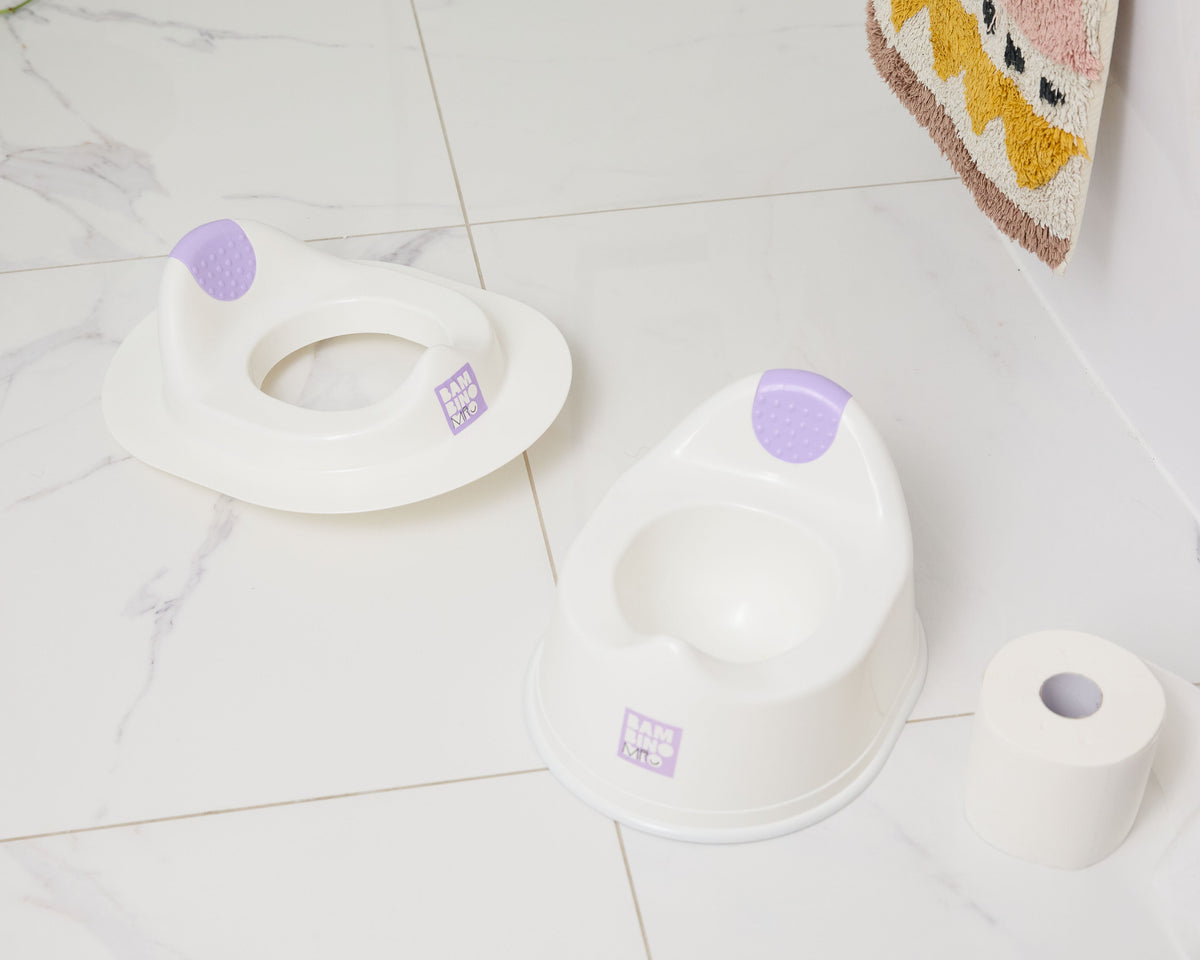
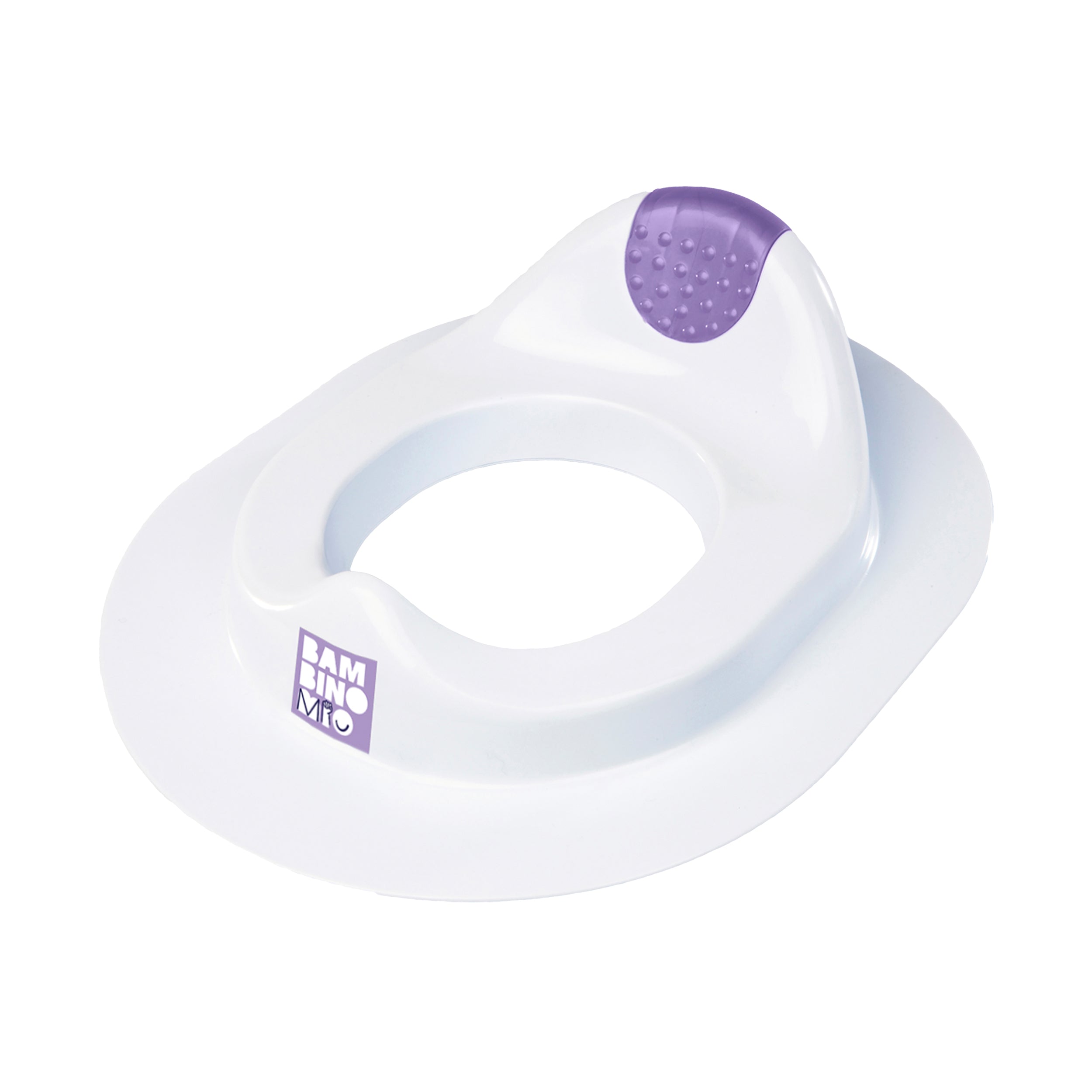
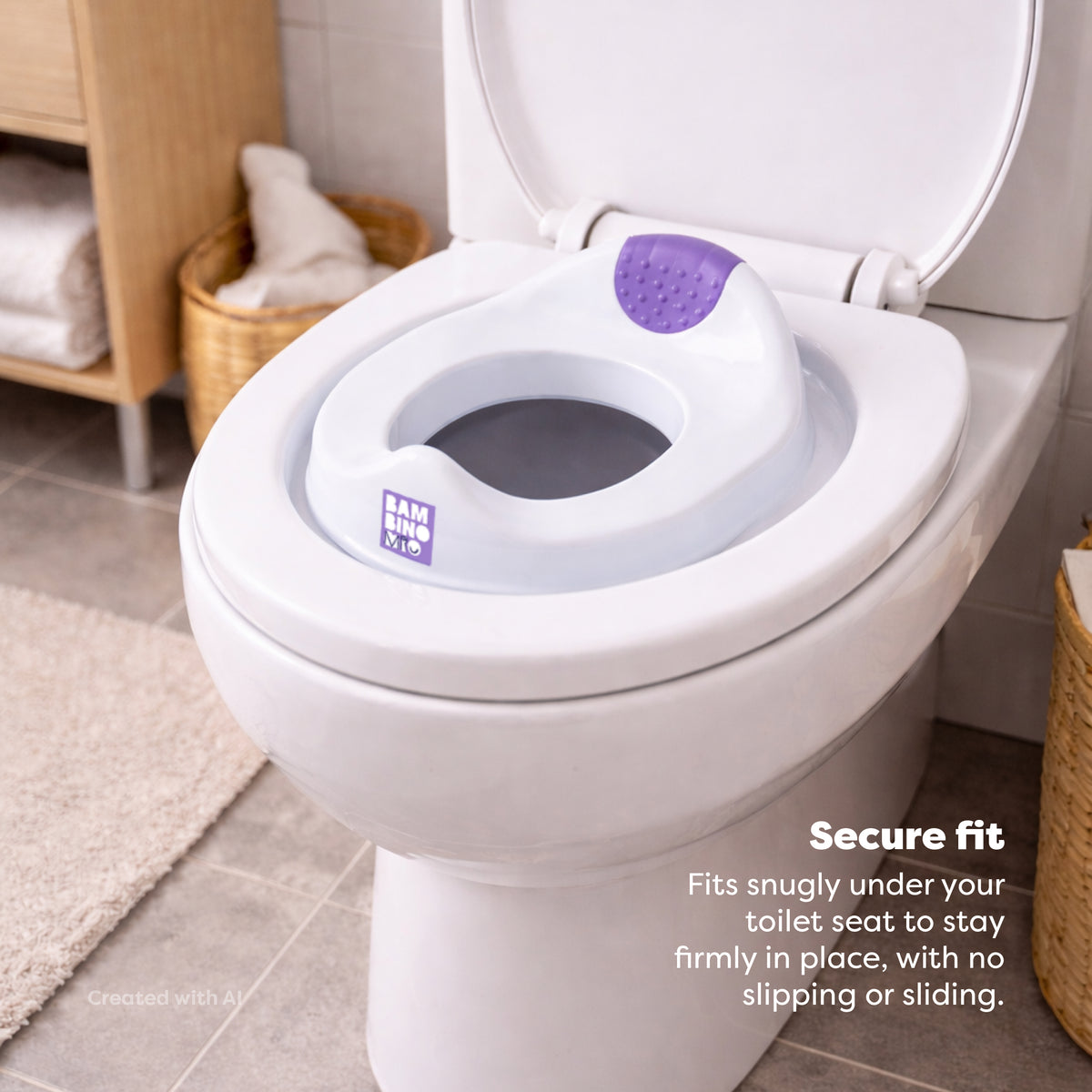
The best potty training seat is the one that turns "ready for the big toilet" from a nervous wobble into a proud little climb up. Look for a snug fit under your existing seat and a smooth shape sized for a small bottom, with a design simple enough to wipe clean in seconds because you've got a wash day list long enough already, on top of everything else that happens between breakfast and bedtime. Once those basics are in place, a potty training seat can help your little one move from the potty to the grown-up toilet at their own pace, without it feeling like another big hurdle.
There's no single seat that suits every bottom or every toilet bowl, but there are a few little details worth checking before you buy.
What Actually Makes a Good Potty Training Seat?
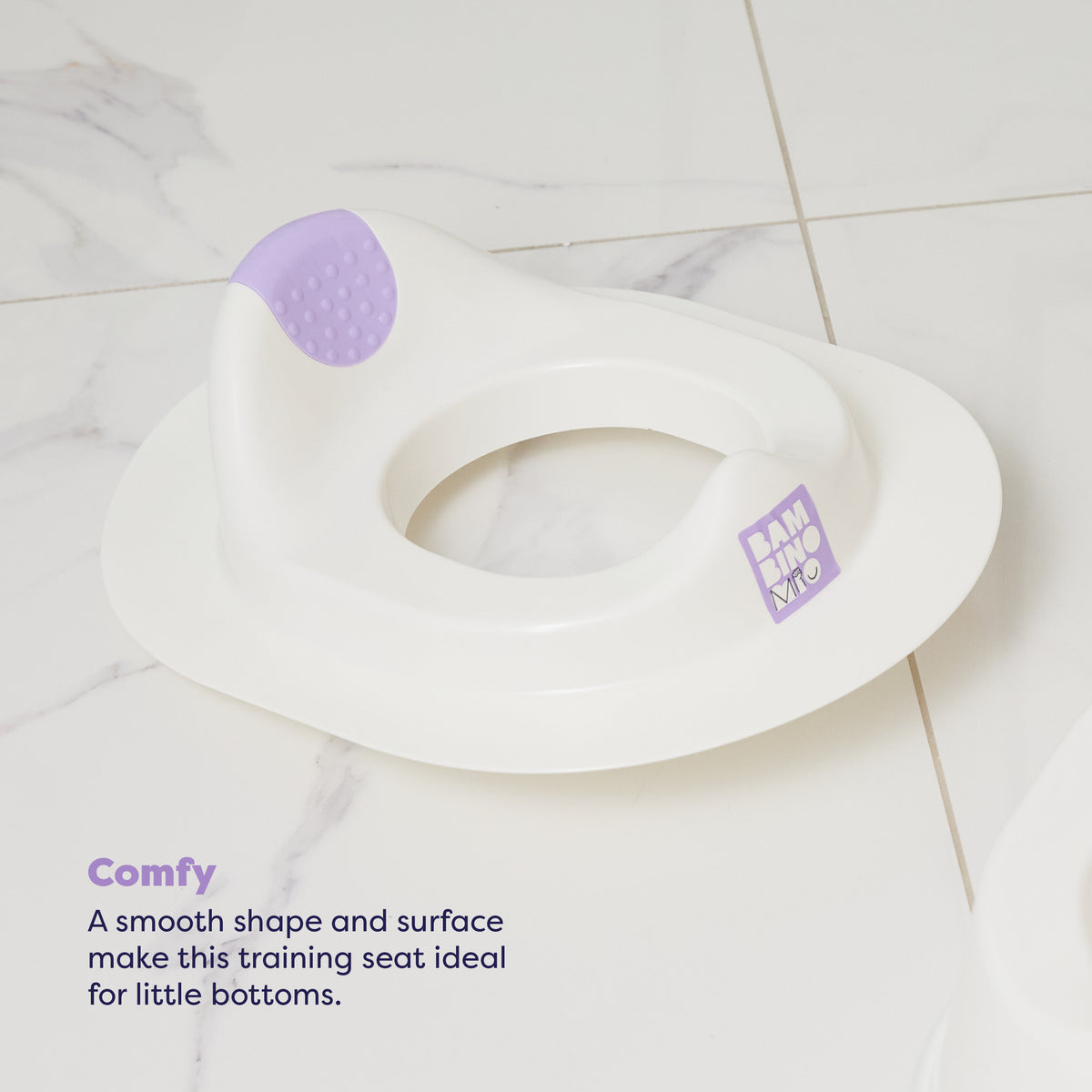
Colour and cute prints are lovely (we're rather partial to them ourselves), but the real magic is in the fit. A good seat needs to sit snugly underneath your main toilet seat so nothing slides about mid sit, which matters far more than you'd expect when your toddler is already feeling a bit uncertain about this whole big kid toilet business.
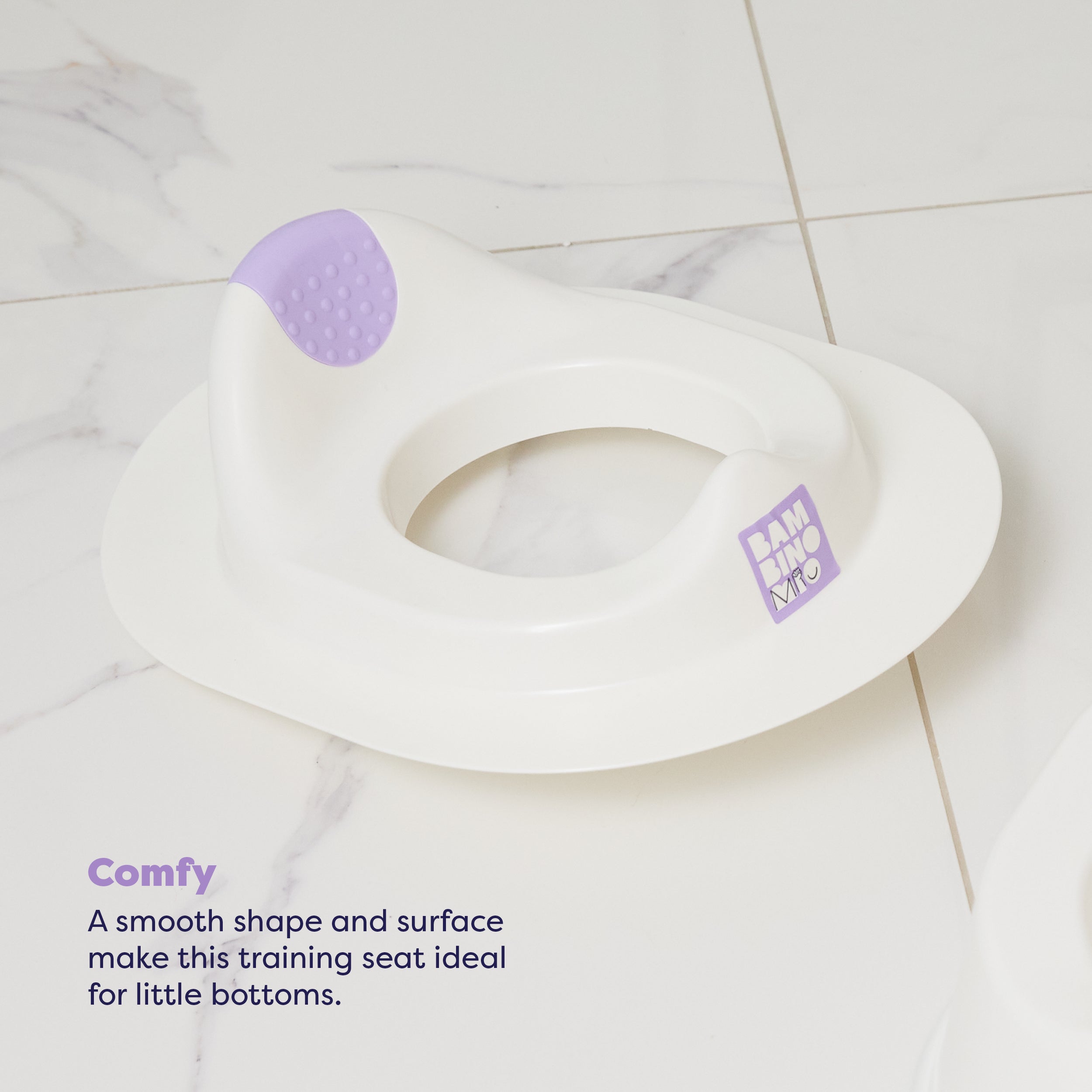
Shape matters too. Toddler bottoms are small and the edges of a grown up seat can dig in, so a smooth, rounded design keeps them settled for long enough to actually get the job done. Size counts for something as well. Every toilet is a slightly different shape, so it's worth checking the seat's measurements against your own bowl before you buy, particularly if your toilet has a squarer or more modern profile.
Then there's the front. A raised splash guard catches any stray aim, sparing your floor and your patience in equal measure. Little accidents are simply part of the deal at this stage, so the whole thing should wipe clean without any fiddly grooves to scrub, whether that's after a slightly rushed dash home from soft play or a more leisurely go before nursery.
Our own toilet training seat was built with all of this in mind, tucking neatly underneath your normal seat so the leap from potty to loo feels like a small step rather than a giant one.
Does It Work for Both Boys and Girls?
Yes, happily. A potty training seat, ours included, works just as well for boys as girls, no separate design needed. Boys usually start off sitting down for everything, with standing introduced a little later once they've found their confidence, but the seat itself doesn't need to change.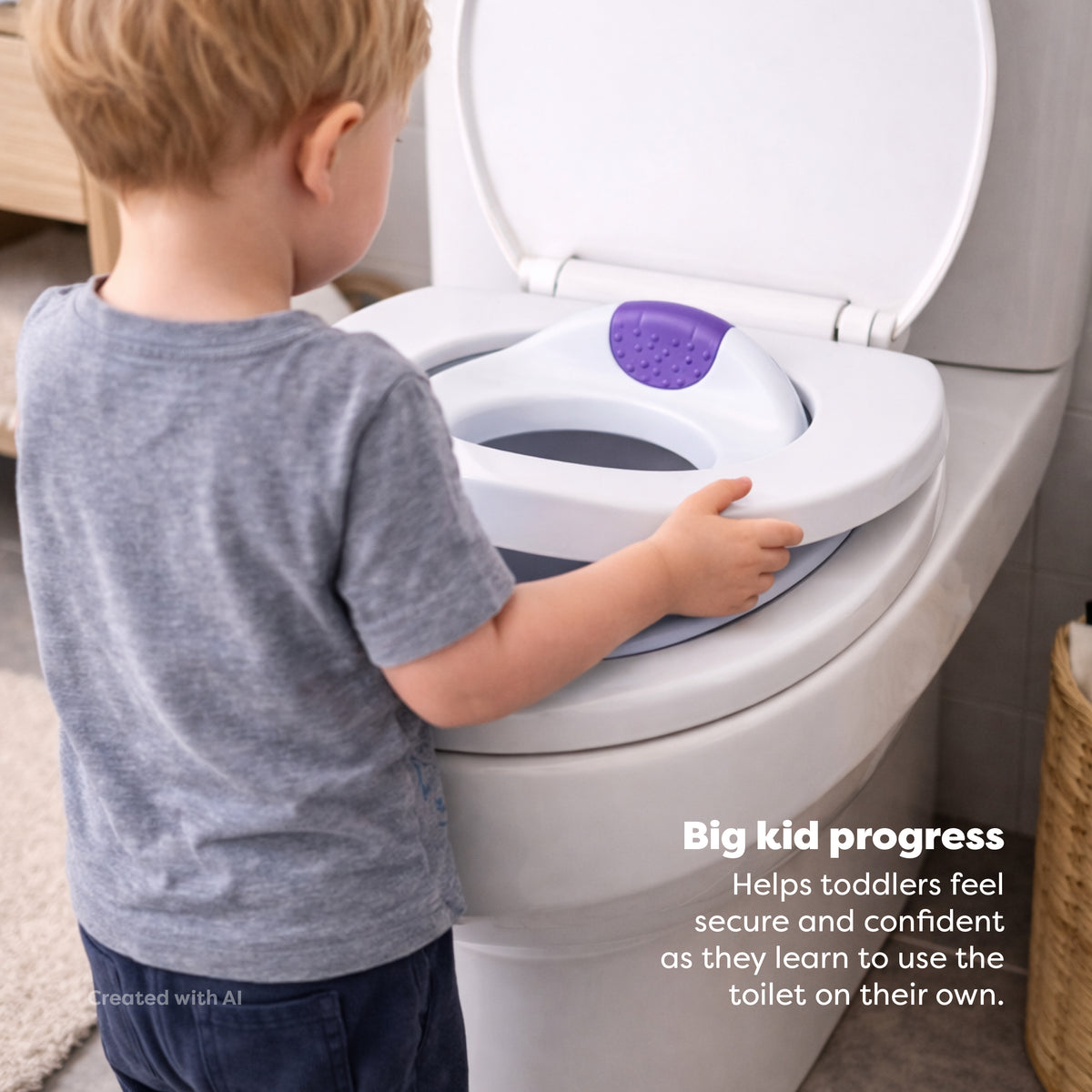
Potty, Toilet Seat or Both?
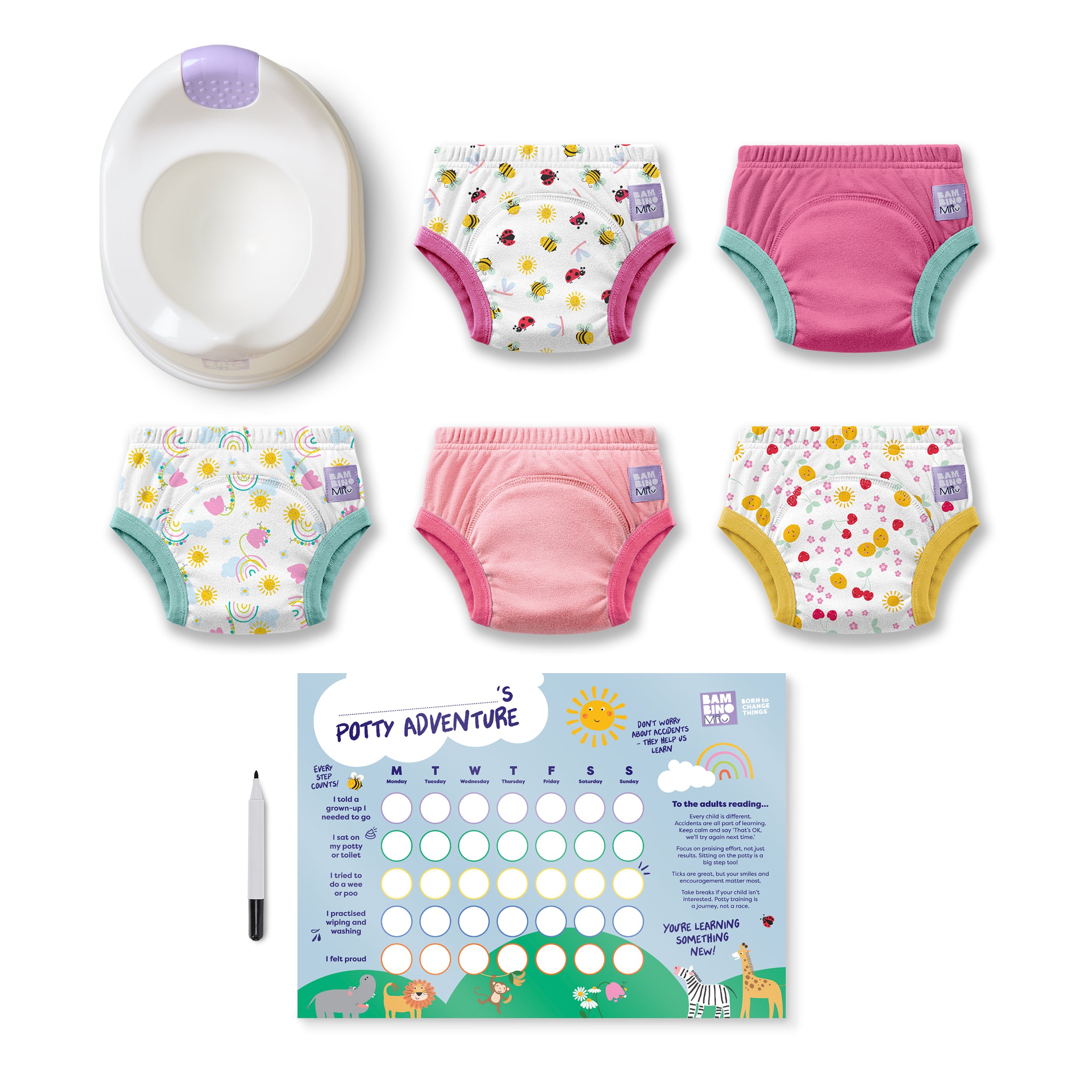
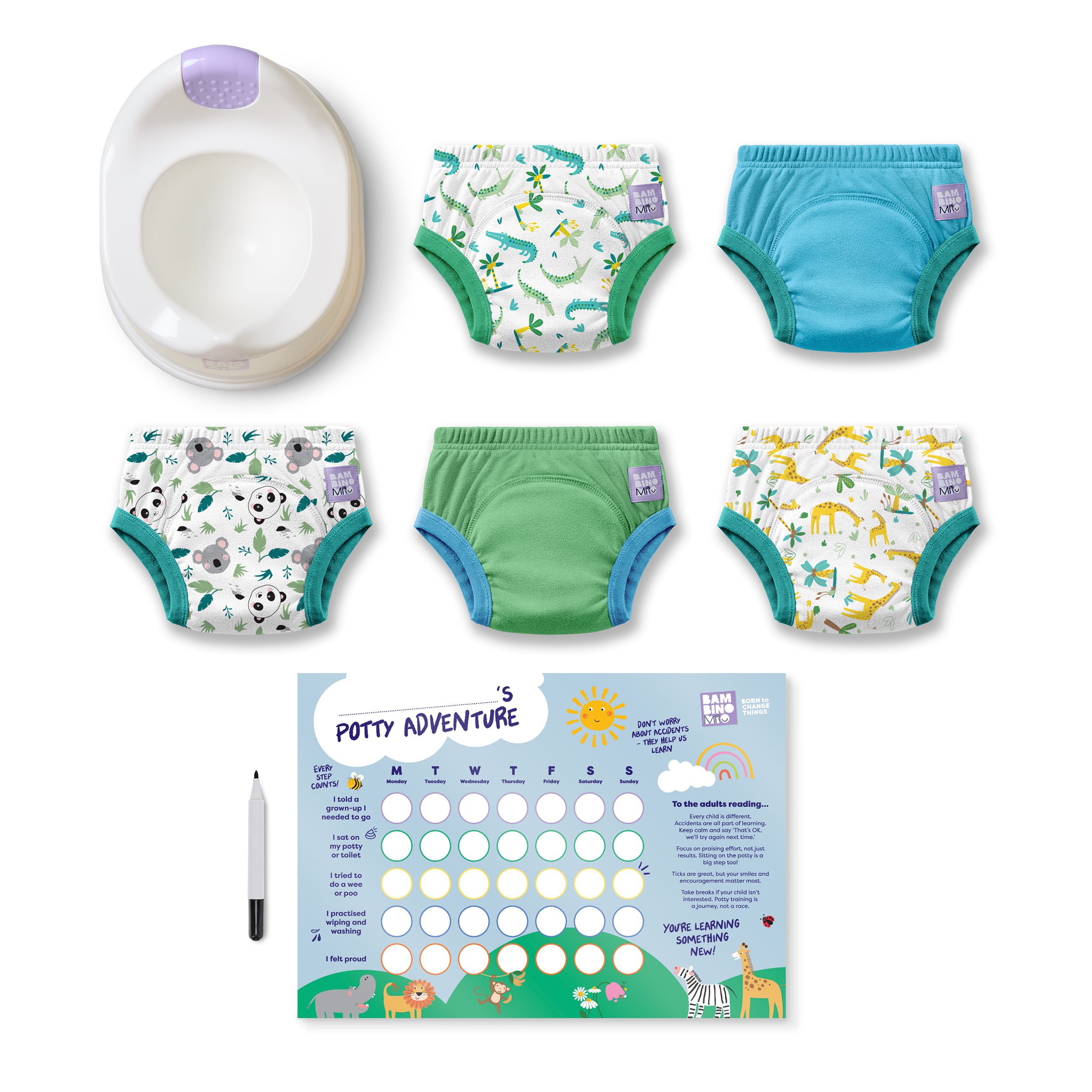
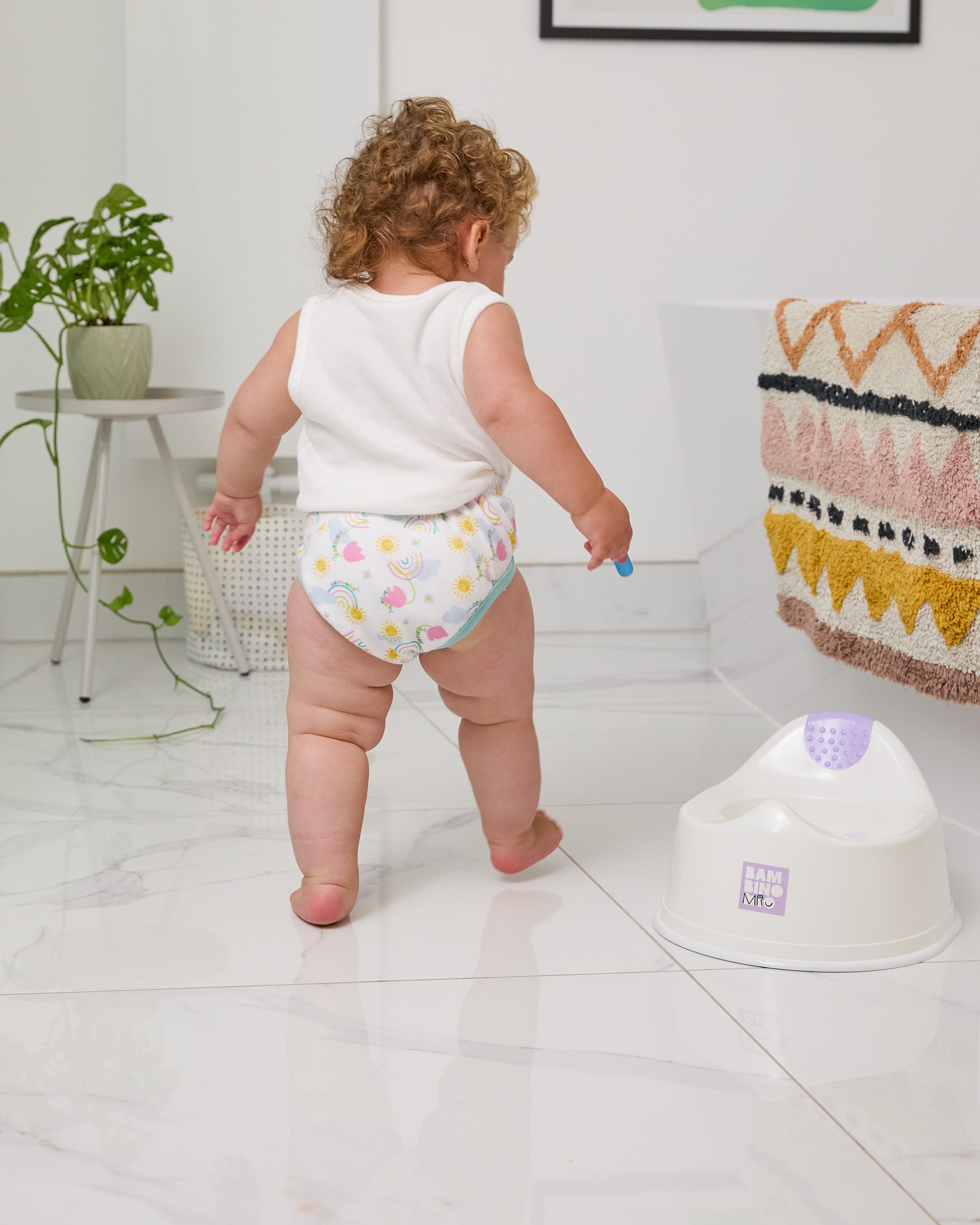
Most families use a bit of both, just at different stages of the journey. A portable potty usually comes first, low to the ground and easy to carry from room to room, small enough to tuck into the changing bag too for days out or a visit to nursery. It earns its keep on long car journeys as well, tucked in the boot for whenever the inevitable "I need a wee" comes from the back seat. Once your toddler has got the hang of that, a toilet training seat is the natural next move, easing them onto the big toilet without the wobble or the worry.
| Portable Potty | Toilet Training Seat | |
|---|---|---|
| Best for | The earliest days of potty training | Making the move onto the big toilet |
| Portability | Light enough to carry room to room or pop in the changing bag | Fitted underneath your toilet seat at home |
| Where it lives | Anywhere, including on the go | Fixed to your own toilet |
| Usual stage | Straight after nappies come off | Once potty training is well underway |
Keeping both within reach for a few weeks tends to make the whole transition gentler on everyone. Some little ones skip the potty altogether and head straight for the toilet, and that's perfectly fine too. There's no correct order here, only whatever gets your toddler sitting happily and staying put.

When Should You Bring In a Toilet Training Seat?
There's no magic birthday for this one. NHS guidance notes that children usually start showing signs they're ready somewhere between 18 months and 3 years old, and every toddler gets there in their own time. A toilet training seat tends to earn its place once your little one is already settled on the potty and has started eyeing up the big toilet with curiosity, rather than as the very first step away from nappies.
Keep an eye out for staying dry for longer stretches and telling you before a wee rather than after, along with that unmistakable urge to copy whoever else in the house is heading for the loo. You might notice it first at nursery pickup, when their key worker mentions they asked to go on the toilet like the older children, or at home when they start hovering by the bathroom door during your own trips. Once those signs start stacking up, it's usually a good moment to bring the seat out.
How to Clean a Potty Training Seat
Keeping a potty training seat clean is one of the easier parts of this whole stage. A quick wipe after every use with a solution of one part water to one part white vinegar, or a standard all purpose disinfectant, is all it takes. With no fiddly grooves to scrub, the smooth surface wipes clean in seconds. That means less time spent cleaning and more time getting back to the rest of family life, whether you’re heading out for the school run or trying to get tea on the table.
At first, most toddlers will want a hand climbing up and settling in, so it's not one to leave them with completely unsupervised until their balance and confidence have caught up. A step stool alongside the seat helps enormously here, giving little legs somewhere steady to climb from and letting them feel like they did it themselves, which, let's be honest, is half the joy of this whole stage.
As for how long you'll need it, that's entirely down to your toddler. Some are ready for the full sized toilet within weeks, proudly announcing it to anyone who'll listen. Others like the extra reassurance for a few months yet, especially when there's a new place to get used to, like a grandparent's house or a holiday cottage, and there's absolutely nothing wrong with that either.
Whenever your little one is ready to make the move, our toilet training seat is there to make it feel like the small, manageable step it should be, and we'd like to think it's the best potty training seat for exactly that job. Take a look at our full potty training collection if you're piecing together everything for the journey ahead.