10 Signs Your Child is Not Ready for Potty Training
If you’re looking for signs your child is not ready for potty training, you’re already doing something really important: listening to your little one instead of watching the calendar.
Try not to worry about what other children their age are doing. Some little ones feel ready around two, while others need more time after their third birthday, and that’s absolutely okay. There’s no deadline and nothing to rush. Here are ten gentle signs that your child might be telling you, “not just yet.”
Signs Your Child is not Ready for Potty Training:
Contents
- Their Nappy is Soaked Again Within the Hour
- A Wet or Dirty Nappy Doesn't Bother Them One Bit
- They Can't Tell You Beforehand or Afterwards
- Life is Mid Upheaval
- Sitting Still on the Potty Feels Impossible
- Mentioning the Potty Sends Them Running
- Getting Trousers Up and Down Alone is Still a Struggle
- Copying Grown Ups on the Loo Holds No Appeal
- Simple Instructions Still Need Repeating Several Times
- A Previous Attempt Fizzled Rather Than Built Momentum
- There's No Rush
1. Their Nappy is Soaked Again Within the Hour
Bladder control comes before anything else can really click. NCT guidance points out that a dry nappy for an hour or two at a stretch is one of the clearer signals a child's bladder is developing enough control to make potty training worthwhile. If you're still doing a nappy change every twenty minutes on the school run or before you've even got out of the door for nursery, that control simply hasn't arrived yet, and no amount of encouragement will speed it along.
2. A Wet or Dirty Nappy Doesn't Bother Them One Bit
Some toddlers will pull at a wet nappy or ask to be changed the second it happens. Others will happily carry on splashing in the paddling pool or deep into a game of pretend tea parties without a flicker of concern. That lack of awareness is a sign, not a character flaw. It's hard to feel motivated to use a potty when you haven't yet clocked that being wet feels different to being dry.
3. They Can't Tell You Beforehand or Afterwards
Being able to say something about needing a wee is a big piece of the puzzle. If your toddler can’t yet tell you they need a wee or poo, either through words or gestures, it may be a little early to start. Without that communication, you’ll both be relying on guesswork, which can make potty training feel more frustrating than it needs to be.
4. Life is Mid Upheaval
Big changes can leave a toddler feeling unsettled, even when they’re happy ones. A new baby or house move may be enough to disrupt their usual rhythm, but smaller changes to their routine can affect them too.
Potty training asks for plenty of confidence and attention from your little one. If family life already feels busy or unfamiliar, it may be kinder to wait until things feel settled again. There’ll be plenty of time to learn this new skill when they feel more secure.
5. Sitting Still on the Potty Feels Impossible
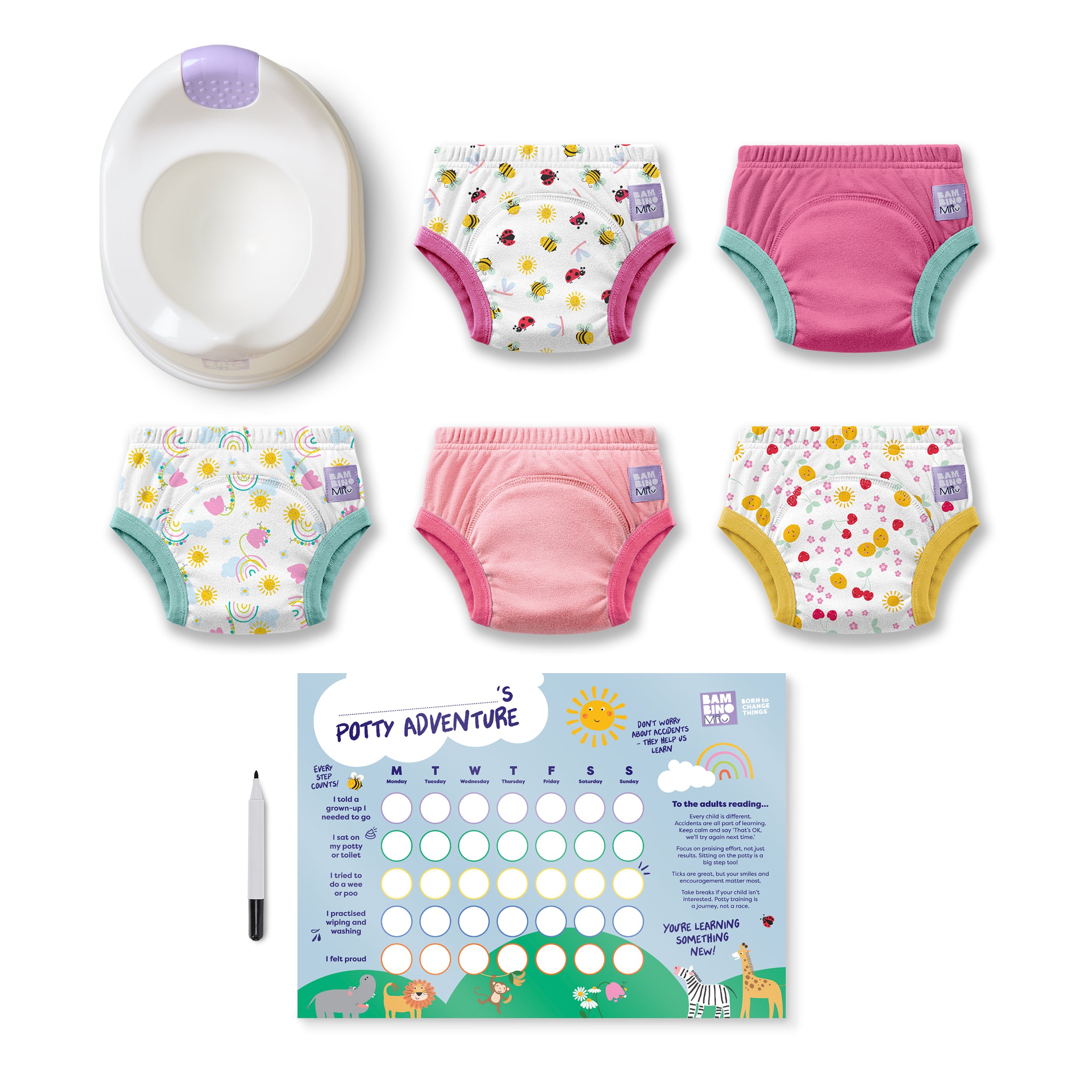
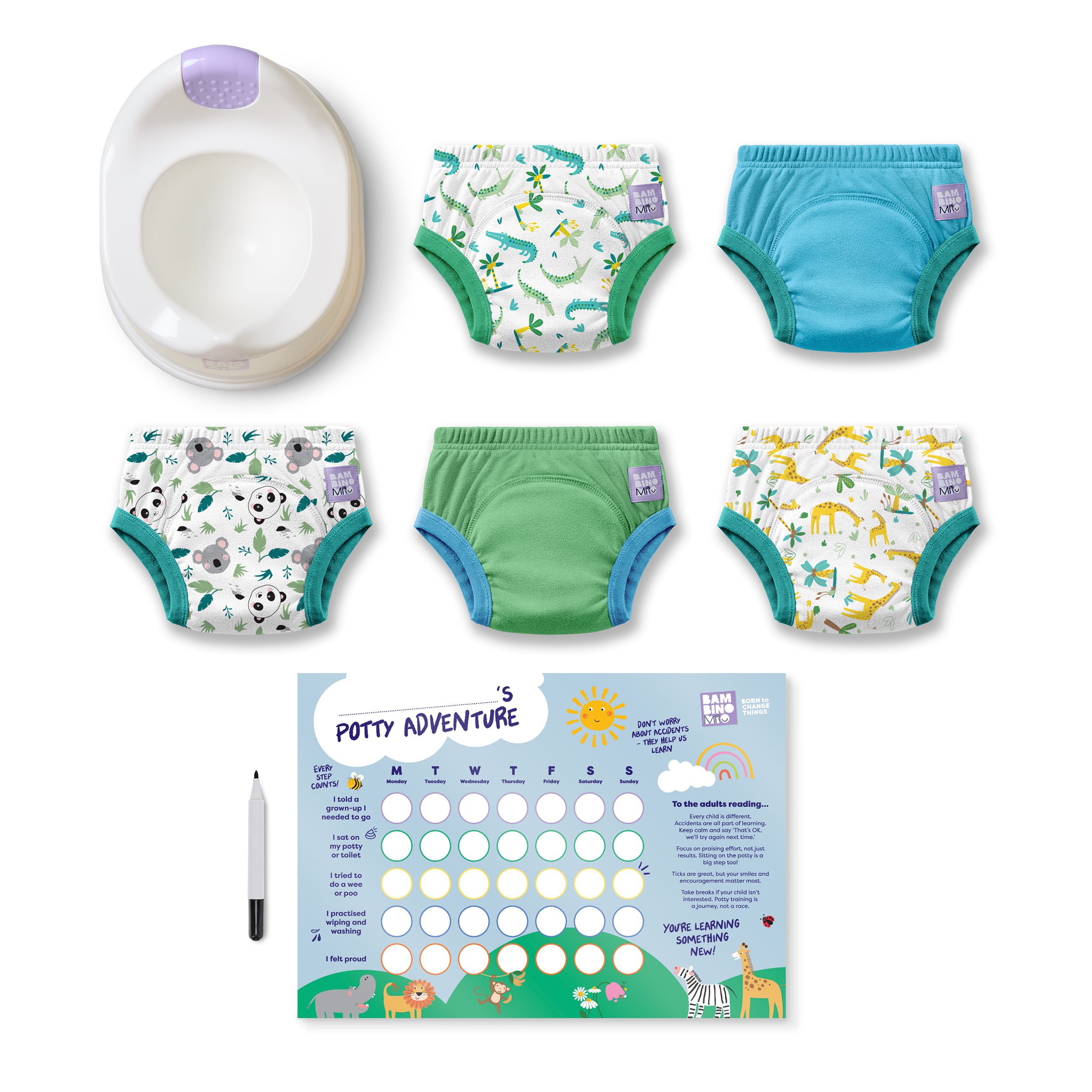
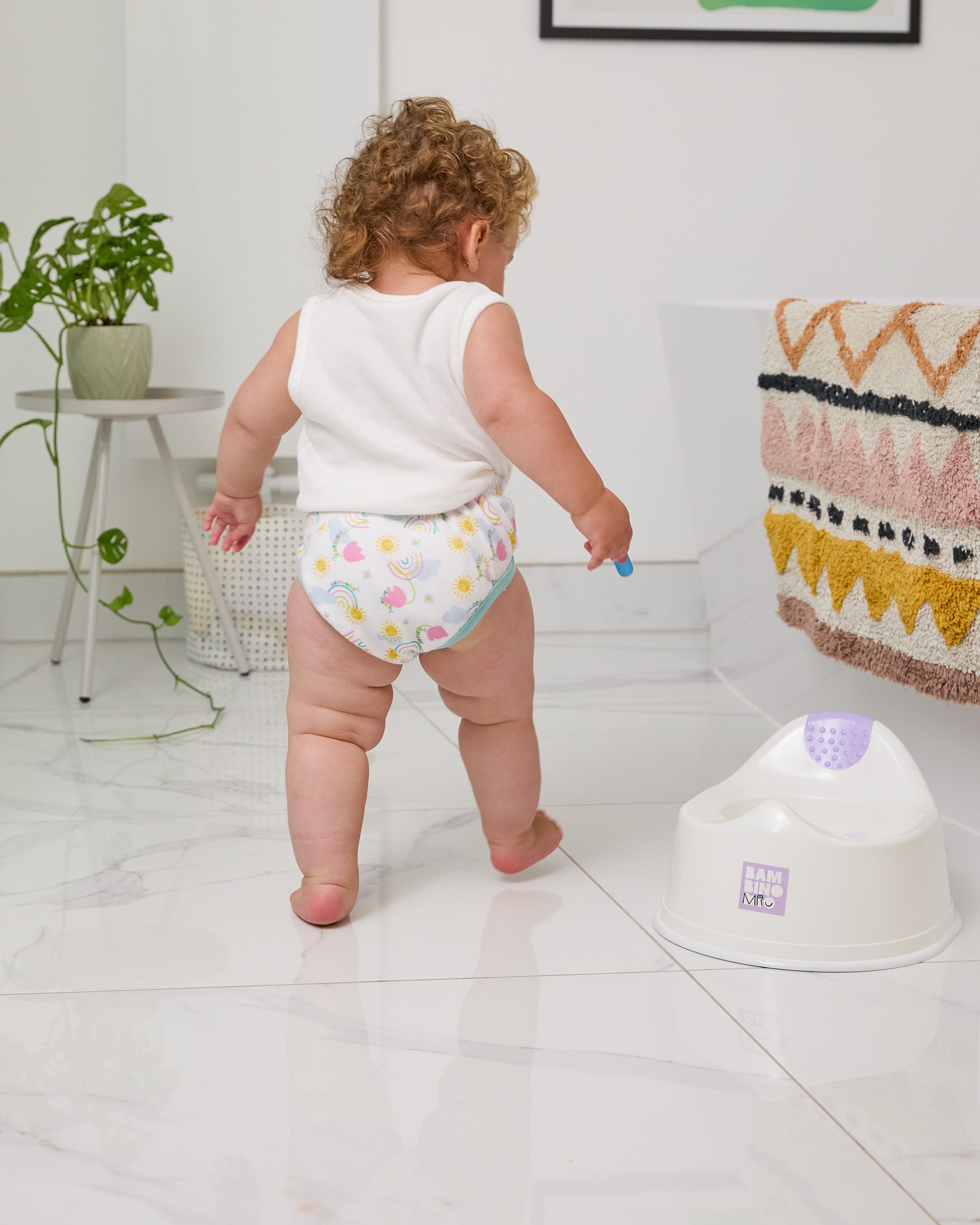
A few seconds of sitting is all it takes at first, but for some toddlers even that's a big ask. If yours is up and off again before anything has had a chance to happen, or wriggles free halfway through a nappy change most days, it might be worth waiting until sitting still for a minute or two feels a bit more natural to them. Our portable potty is a gentle, low pressure way to introduce the idea of sitting there for a moment, with absolutely no expectation attached yet.
6. Mentioning the Potty Sends Them Running
A bit of curiosity or cautious interest is normal and even helpful. Genuine distress or point blank refusal every time the potty appears is a different thing altogether, the same dash for the stairs some toddlers do the moment you mention teeth brushing or hair washing. Pushing through that reaction rarely helps and can make the whole subject feel scarier than it needs to. A gentle pause, then trying again in a few weeks, usually works far better than persisting through tears.
7. Getting Trousers Up and Down Alone is Still a Struggle
Independence with clothing plays a bigger part in this than people expect. According to ERIC, the children's bowel and bladder charity, being physically able to sit on the potty and get back up again unaided is one of the key readiness markers alongside bladder control. If leggings or poppers already involve a fair bit of parental help during a nappy change, or you're still doing up wellies and coats at the school gate every morning, potty training will likely mean managing that hurdle too.
8. Copying Grown Ups on the Loo Holds No Appeal
Plenty of toddlers become fascinated by the bathroom the moment an older sibling or parent heads in there. If yours shows no interest whatsoever, wandering off to the toy box instead when an older cousin disappears to the loo at a family gathering, that curiosity simply hasn't switched on yet, and it's usually worth waiting for it rather than trying to manufacture it.
9. Simple Instructions Still Need Repeating Several Times
Potty training relies on your toddler being able to follow a short instruction, something like sit here for a moment or tell me when you need a wee. If everyday requests already need repeating a few times before anything happens, whether that's shoes on before nursery or hands washed before tea, or demonstrating rather than simply saying, it's a sign their understanding needs a little longer to catch up before adding a new routine on top.
10. A Previous Attempt Fizzled Rather Than Built Momentum
If you've tried before and it turned into more tears than progress, right before a cousin's birthday party or just as term started at nursery, that's useful information rather than a setback. Sometimes a first go simply arrives a little early. Putting the potty away for a month or two and picking things back up once a few more of these signs have shifted tends to go far more smoothly than pushing on through.
Remember, There's No Rush
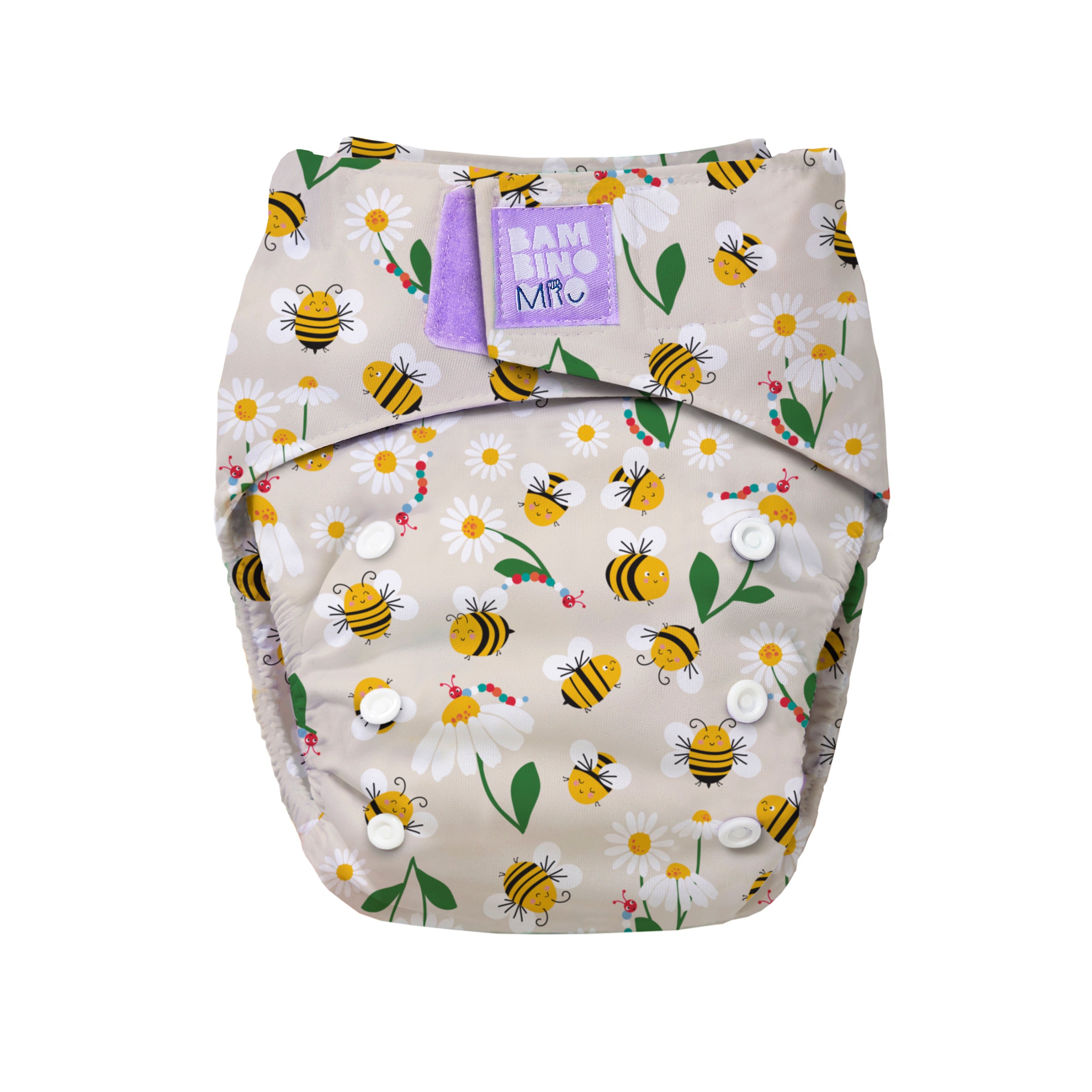
None of this is about ticking every box before you're allowed to start. It's simply a way of noticing where your toddler actually is, rather than where you feel you ought to be by now. Whether that's another few weeks of nappies through soft play sessions and trips to grandma's, or a slightly longer stretch than your friend's toddler needed, our reusable nappies are just as comfortable for a toddler who isn't quite ready as they were from birth, so there's no pressure to rush the switch before they're set.