


What is Elimination Communication? A Guide for Parents
You know that face your baby makes, the one right before they fill their nappy. The little pause and slight squirm, maybe a tiny grunt. You've clocked it a hundred times and thought “oh, here we go.” Well, what if you could actually do something about it? That's elimination communication in a nutshell.
It follows the idea that your baby has been chatting to you about their toilet needs all along, and that with a bit of practice, you can start to listen. It sounds a bit out there at first, but once you get your head around it, it makes a lot of sense.
So, what is elimination communication, exactly? And could it actually work for your family?
- What Is Elimination Communication?
- When Can You Start Elimination Communication?
- How Does Elimination Communication Actually Work?
- How Long Does Elimination Communication Take?
- Do You Still Need Nappies with Elimination Communication?
- EC and Reusable Nappies: A Natural Pairing
- Moving Towards Potty Training
- Is Elimination Communication Right for Your Family?
- What is elimination communication?
What Is Elimination Communication?
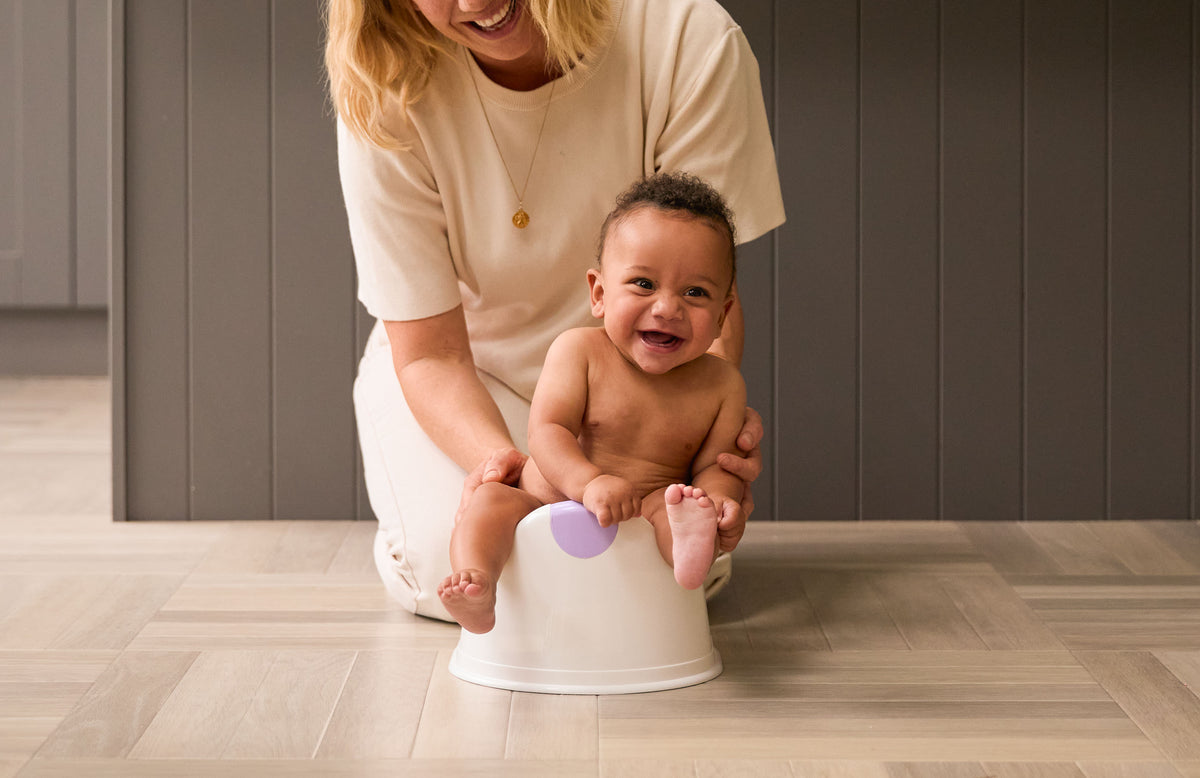
Elimination communication (often shortened to EC) is the practice of tuning in to your baby's cues around weeing and pooing, and responding by offering them a potty, a sink or a toilet to do their business in. The idea is that babies arrive in the world with an awareness of their own elimination, and that with some observation and consistency, parents can recognise the signs and “catch” a good number of those wees and poos before they end up in the nappy.
It's sometimes called natural infant hygiene, which sounds very official for something that essentially involves watching your baby's face very closely and making a “psss” sound over a potty. It draws on practices that have been used across Asia, Africa and beyond for centuries. In many cultures, elimination communication is just how things are done.
Is It the Same as Early Potty Training?
Not exactly. Traditional potty training typically begins around 18 months to 3 years, once a child has developed the physical control and language to manage things more independently. EC starts much earlier, often from birth, and the key thing is that it's not about your baby doing anything on their own. It's about you reading their signals and getting them to the right place in time. Your baby is just being a baby, and you're the one doing the detective work.
Think of it less like training and more like a little conversation you have twenty times a day.
”When Can You Start Elimination Communication?
One of the most common questions surround when can you start elimination communication, and the answer might surprise you. Lots of families start in the first couple of weeks of life. Newborns have very clear, predictable elimination patterns, and their cues can actually be easier to read when they're tiny than they are once they get older and far more interested in everything around them.
What's the Ideal Age to Begin?
From Birth
If you're expecting or have a newborn, starting from birth means you'll be working with their natural rhythms right from the off. Babies tend to wee almost immediately after waking and often need a poo after a feed, so even a loose awareness of those patterns gives you a good starting point.
Between Two and Six Months
As we mentioned, you can start later in the game. Starting somewhere between two and six months is also really popular and often feels the most manageable.
By then you've settled into some kind of routine, and you're past the sheer survival mode of the very early weeks. You've got a bit of headspace to try something new, which is why some people choose this age to start exploring the idea.
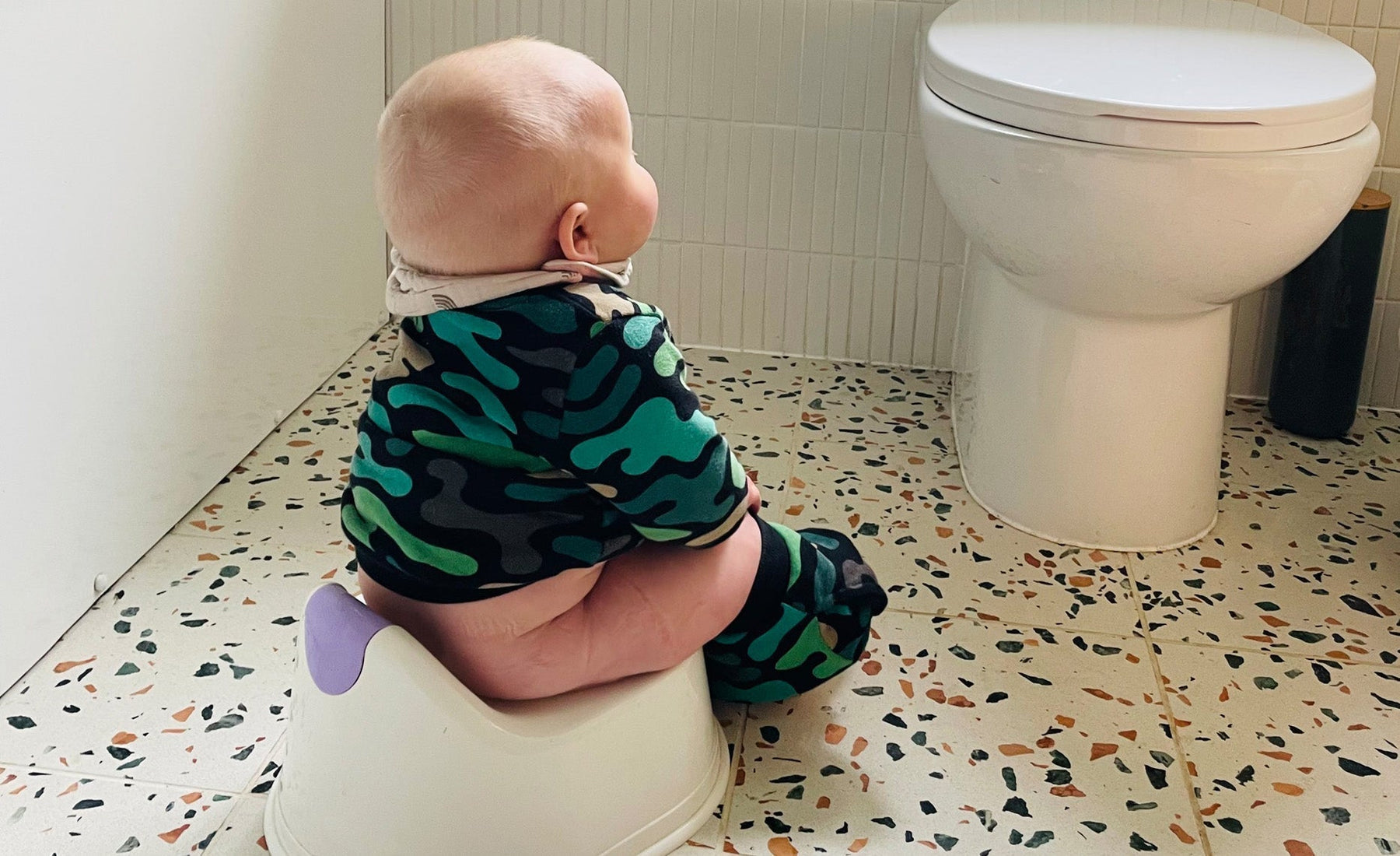
How Does Elimination Communication Actually Work?
You're probably wondering what elimination communication actually looks like on a Tuesday morning when you've got nursery bags to sort and approximately nine minutes to leave the house. Fair question.
In practice, EC comes down to a handful of core habits: observation, timing and a cue sound.
Observation
Observation is about watching your baby for signs they need to go. Every baby has their own little tells, but common ones include going suddenly quiet and still, pulling their legs up, grunting, breaking off a feed, or a particular fussy quality that doesn't seem to be about hunger or tiredness.
Interestingly, research published in ScienceDirect found that families practising EC reported significantly less unexplained infant crying, which suggests that a lot of what we chalk up to “mystery fussing” might actually be an elimination cue we've missed.
Timing
Timing is the reliable bit, especially early on. Babies are creatures of habit: a wee right after waking, often a poo after a feed.
Offering the potty at those predictable moments, even if you haven't spotted a specific cue, leads to plenty of early catches, which feels brilliant and keeps you motivated.
Cue Sound
A cue sound is something you make whenever your baby is weeing or pooing: a soft “psss” or a gentle hum. Over time, making that sound over the potty creates an association.
Eventually, the sound itself can prompt them to go. It sounds slightly bonkers, but it works, and there's something very sweet about having your own little signal together.
Most families in the UK practise a nappy-on version of EC, keeping a reusable nappy as a backup but offering the potty regularly and watching for cues. You don't have to go fully nappy-free to see the benefits, especially during the early days when you're still getting the hang of it.
How Long Does Elimination Communication Take?
How long elimination communication takes really depends on what you mean by that. How long before your first catch? Some families get one on day one. How long before you're largely done with nappies? That varies a lot more.
Some EC babies are out of nappies by around 12 to 18 months. Others carry on with a part-time EC practice alongside nappies and transition out of them closer to the conventional potty training age. There's no finish line to hit, and EC very much isn't a competition (even if parenting can sometimes feel like one).
What most families notice is that EC babies tend to sail through the potty training stage more smoothly than average, and often earlier. They've spent months getting comfortable with the potty, they understand the concept, and they've been communicating about this stuff since they were tiny.
Do You Still Need Nappies with Elimination Communication?

In most cases, yes, nappies stay in the picture, particularly in those early months. Out and about, at nursery, on a long car journey: nappies are still very much your friend.
This is actually where reusable nappies and EC work so well together. A lot of EC families choose cloth because the feedback loop is more immediate: a baby in a reusable nappy feels the wetness much sooner than one in a disposable, which keeps that body awareness ticking along nicely. It makes nappy changes feel like part of the communication rather than just a thing that happens.
EC and Reusable Nappies: A Natural Pairing
There's a reason EC families and reusable nappy families tend to overlap so much. Both ways of doing things come from the same place: the idea that babies are more capable than we sometimes give them credit for, and that a bit of extra thought early on pays off beautifully later.
Practically speaking, EC means you'll be doing more frequent checks, and having a stash of well-fitting, easy-to-fasten cloth nappies makes that feel much less like a chore. Our Revolutionary Reusable is brilliant for this: quick on, quick off, which matters a lot when you're timing potty sits around feeds, naps and the nursery run. Plus, it's suitable for newborns all the way up until potty training, which we think is pretty cool.

And yes, there will absolutely be misses. That's completely normal and nothing to worry about. If you end up with a few mystery stains along the way, our guide to removing stains from baby items has everything you need.
Moving Towards Potty Training
EC transitions naturally into potty training as your baby gets older and starts to develop more physical control and more ways to tell you what they need. Many EC families find that somewhere around 12 months, their baby is actively letting them know when they need to go. By 18 months, the whole thing often feels very close to independent use.
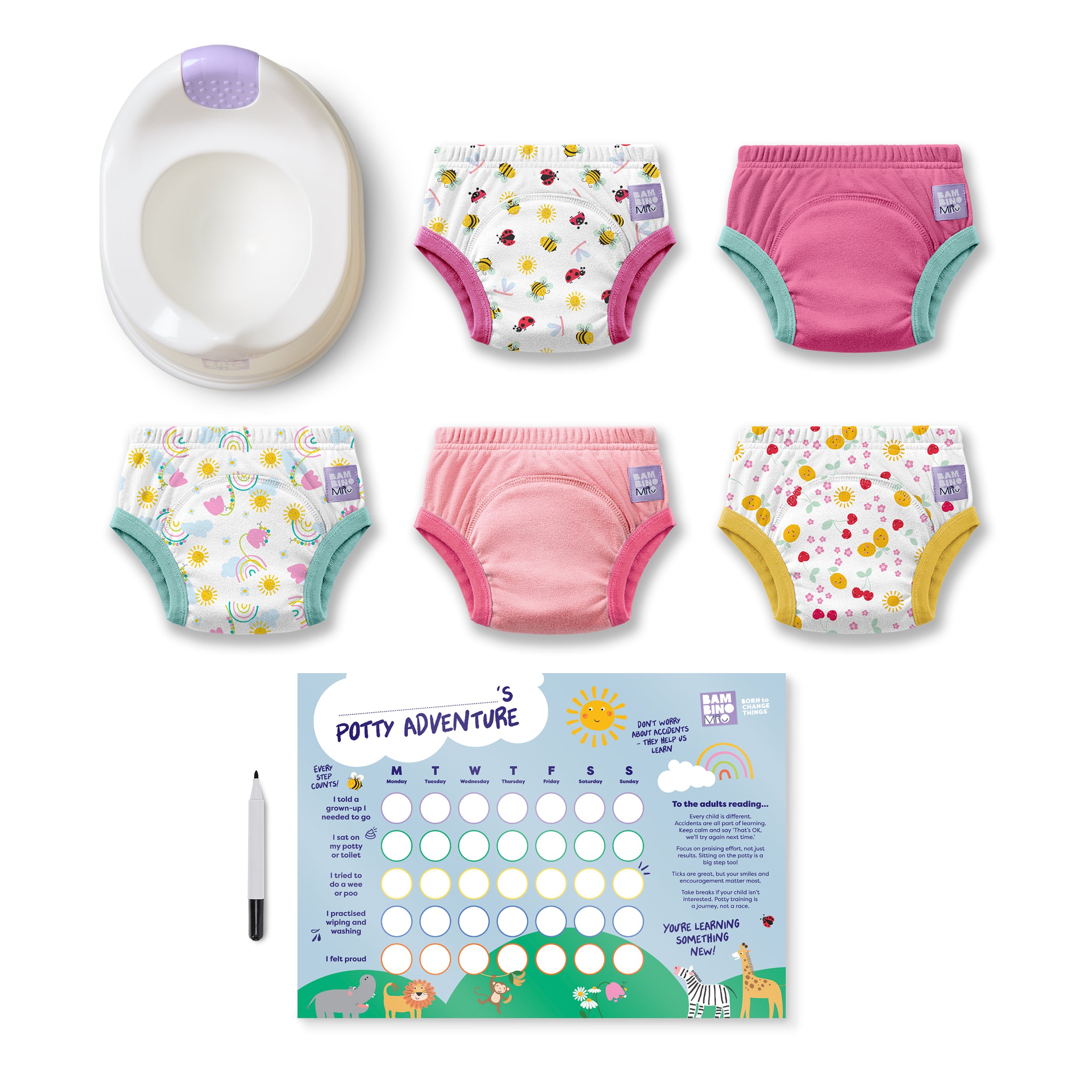
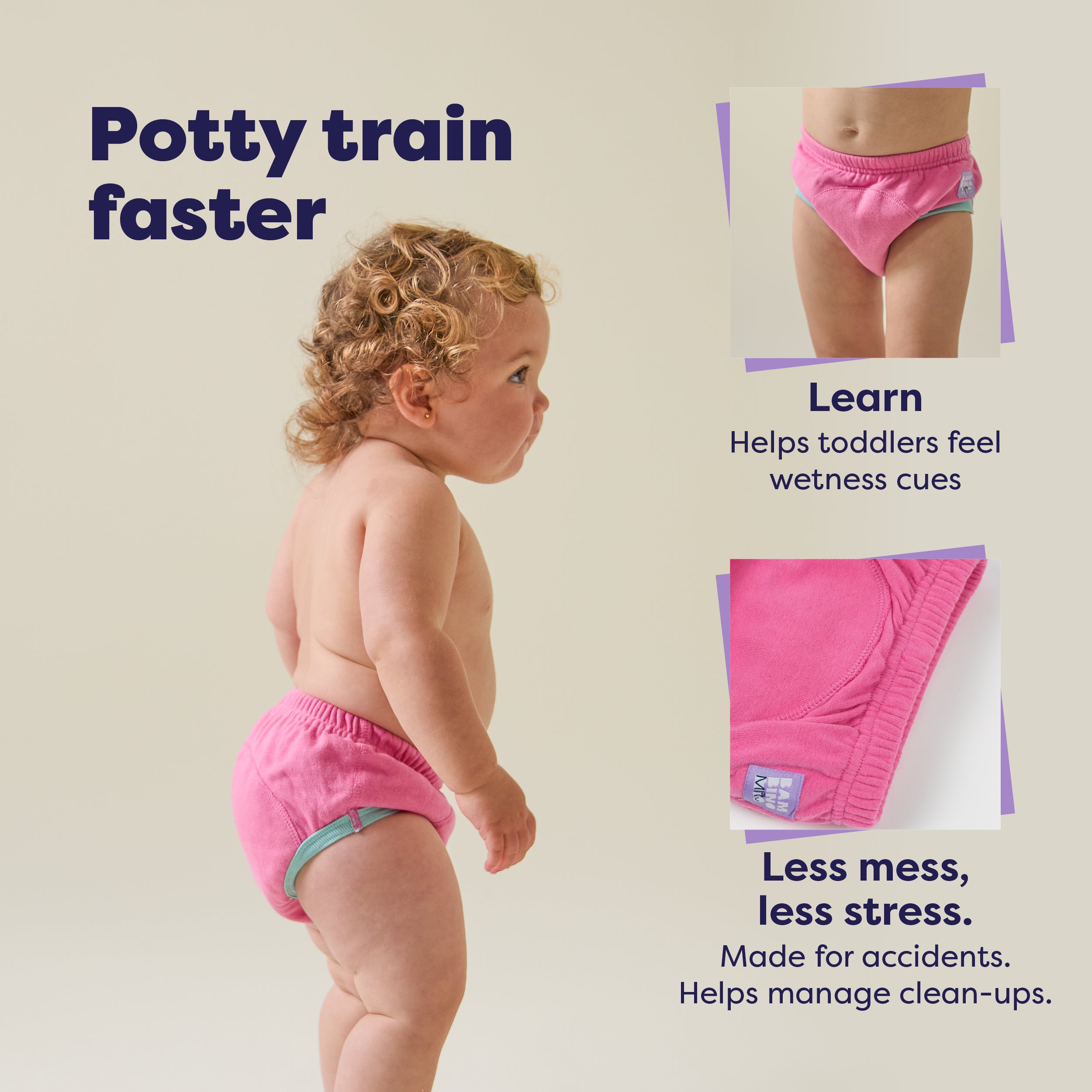
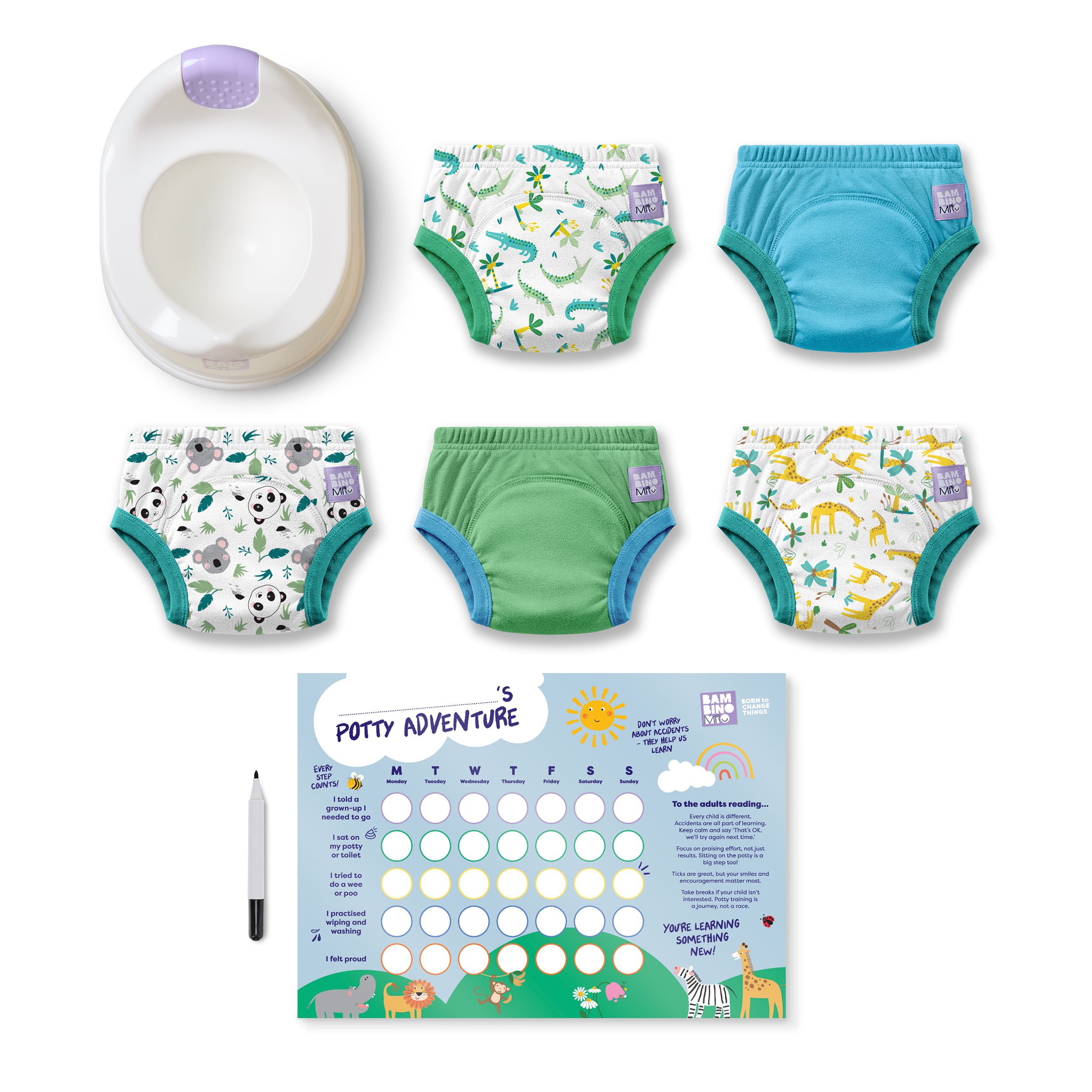
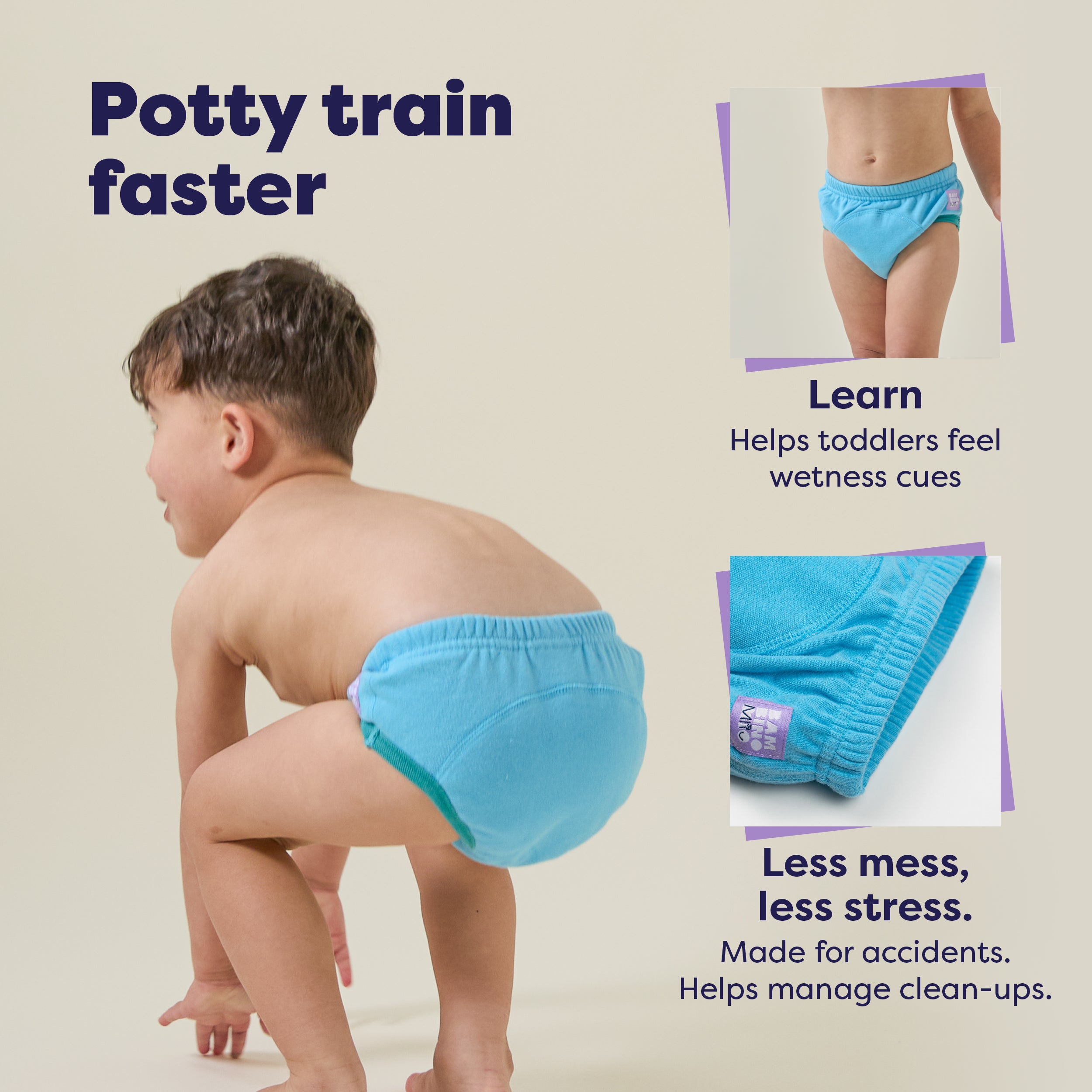
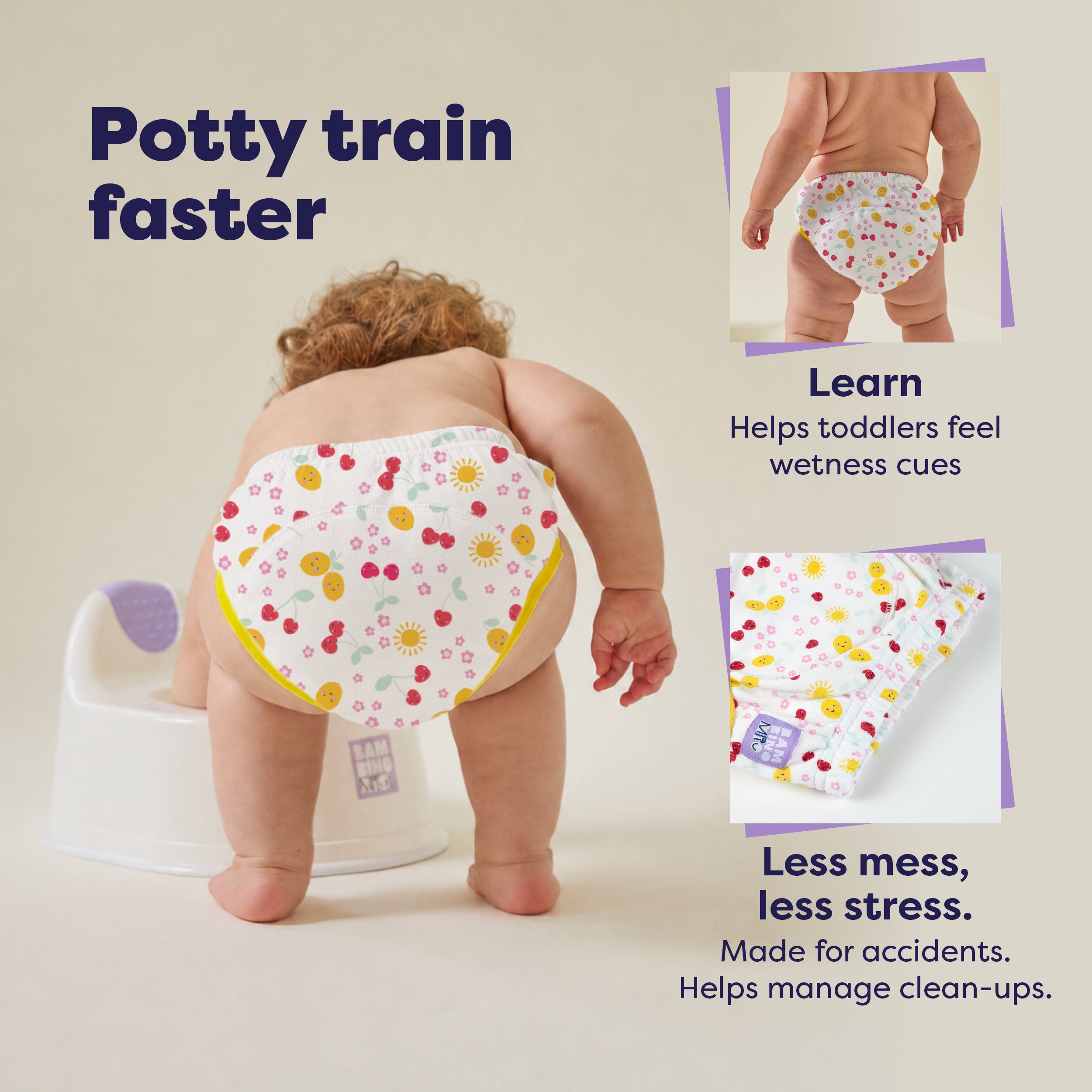
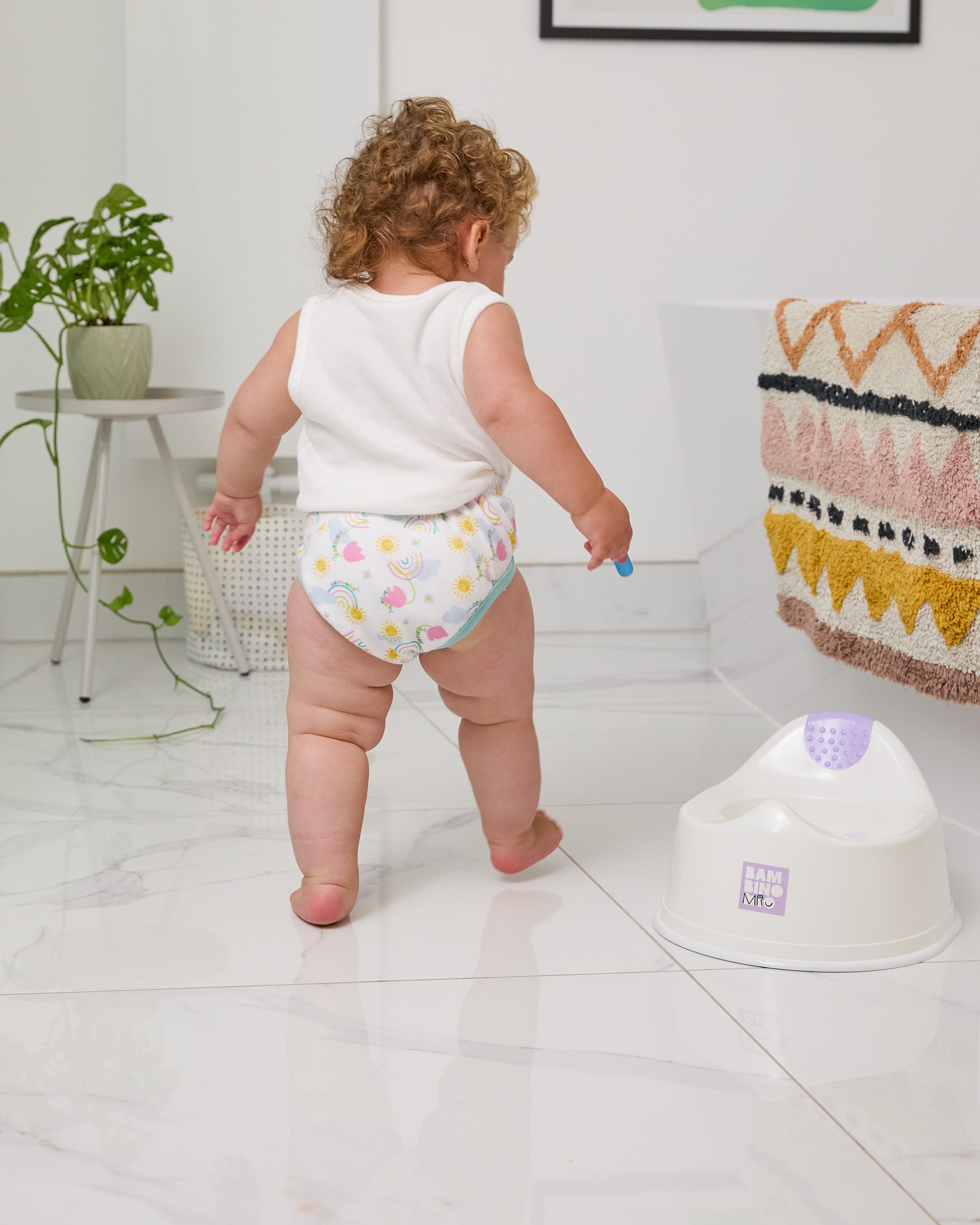
When you're ready for that next step, reusable potty training pants are such a great bridge. They give toddlers the feeling of proper grown-up pants with a little bit of reassurance, perfect for when they're still finding their feet. Less washing than fully nappy-free, more confidence than a full nappy: a very sensible middle ground for a very unsensible stage of life.
Is Elimination Communication Right for Your Family?
EC isn't for everyone, and that's okay. It asks for consistency and a willingness to be flexible, especially in those early weeks. If you're going back to work quickly or your days are gloriously unpredictable, full-time EC might feel like a stretch. But even a gentle, part-time version, offering the potty once or twice at predictable moments each day, builds something real over time.
The families who tend to fall in love with EC are the ones who are already curious about how their little one communicates, and already drawn to the idea of doing things a bit more intentionally.
”Sound like you?
If you're already using reusables, you're probably already in that headspace. EC is just the next part of the conversation.
Whether you're brand new to reusables or you've had a nappy stash since before the baby arrived, we've got everything you need for every stage. From newborn nappies to potty training pants, it's all in one place.
Frequently Asked Questions
What is elimination communication?
Elimination communication (EC) is the practice of tuning in to your baby's cues around weeing and pooing and offering them a potty, sink or toilet in response, rather than waiting for it to happen in the nappy.
Is elimination communication the same as potty training?
Not exactly. Traditional potty training usually starts between 18 months and 3 years once a child has more physical control. EC starts much earlier, often from birth, and relies on the parent reading the baby's cues rather than the baby managing things independently.
When can you start elimination communication?
Many families start in the first couple of weeks of life, but EC can be picked up at any age — whether your baby is two months old or seven months old. It's never too late to start paying attention to their cues.
Do you still need nappies if you're doing elimination communication?
Yes, in most cases nappies stay in the picture, particularly in the early months and for time out and about. Many EC families use reusable nappies as a backup, since the more immediate feedback of cloth helps keep a baby's body awareness ticking along.
How long does elimination communication take?
It varies. Some families get their first “catch” within days, while others take longer. Some EC babies are out of nappies by around 12 to 18 months, while others continue a part-time EC practice alongside nappies for longer.
Can you do elimination communication part-time?
Yes. Even a gentle, part-time version — offering the potty once or twice a day at predictable moments — builds real awareness over time. EC doesn't have to be all-or-nothing.