


Nappy rash: What every parent should know
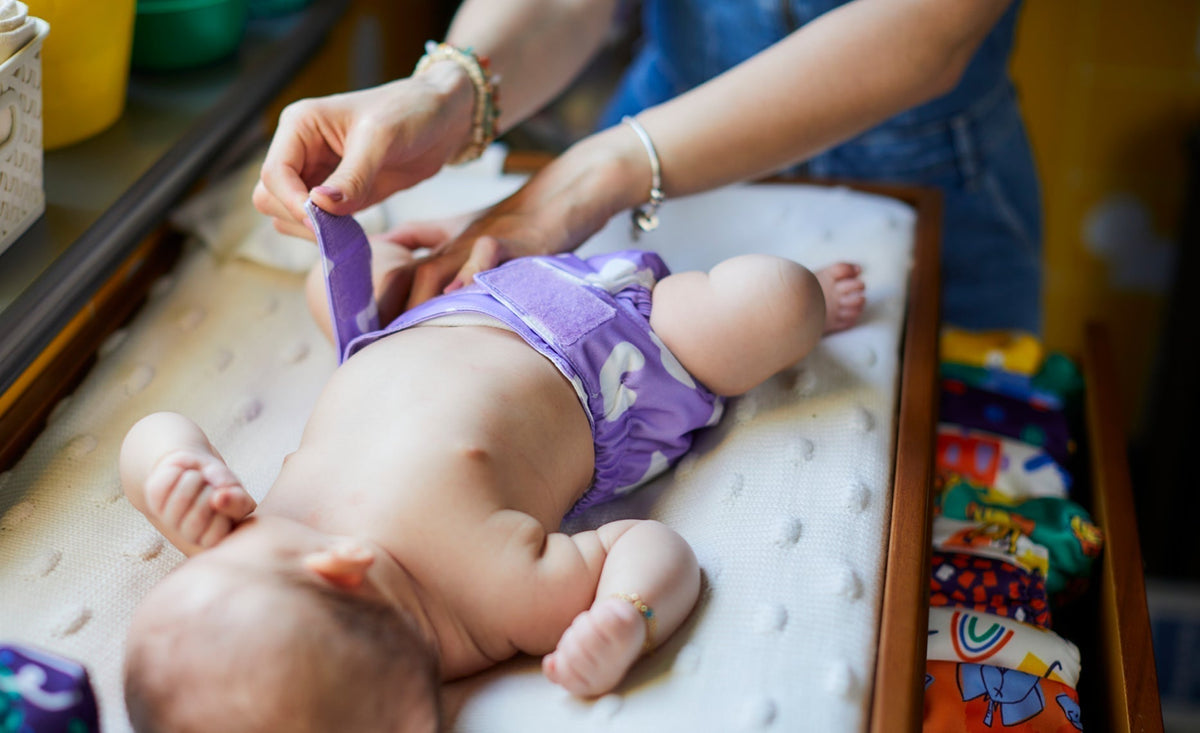
Every parent has been there: you open the nappy and instead of the usual nothing-to-report situation, you're greeted by a patch of angry red skin that makes your heart sink a little. Nappy rash is one of the most common baby rashes around, affecting most babies at some point in their first few years (newborn rash included). While it's almost a rite of passage in the early years, knowing what you're actually dealing with makes handling it a whole lot easier.
So, what is nappy rash? Simply put, it's skin irritation in the nappy area (the bottom and inner thighs) caused by a range of factors that we'll get into below. Most cases clear up quickly with the right approach, so you can get back to the important business of admiring those teeny tiny toes.
What We’ll Cover:
- What Are the Signs of Nappy Rash?
- What is Nappy Rash Caused By?
- How Long Does Nappy Rash Last?
- What is Fungal Nappy Rash?
- What is Severe Nappy Rash?
- What is the Best Treatment for Nappy Rash?
- What is the Best Cream for Nappy Rash?
- What is Best for Nappy Rash Day to Day?
- Newborn Nappy Rash: What to Know
What Are the Signs of Nappy Rash?
Nappy rash doesn't always look the same from baby to baby, but these are the most common signs to watch out for:
- Redness or pinkness across the bottom, inner thighs or genitals
- Skin that looks shiny or feels warm to the touch
- Dry, flaky patches or small raised bumps
- Puffiness or skin that looks sore
- A baby who seems unhappy or unusually wriggly during changes
It's worth knowing that on darker skin tones, redness can be harder to spot. Look out for skin that appears darker than the surrounding area or feels different to the touch.
Most of the time nappy rash stays within the nappy area and doesn't spread. If you notice it creeping into the skin folds or developing spots with raised edges around the border, that's a sign it could be fungal, which we'll cover below.
What is Nappy Rash Caused By?
Understanding the cause is half the battle. Nappy rash rarely has one single culprit and tends to develop when a few things combine at once.
Prolonged contact with moisture
Wee and poo are the obvious offenders. When skin stays in contact with a wet nappy for too long, the outer skin barrier starts to break down. Poo is particularly irritating because it contains digestive enzymes that are quite harsh on delicate skin. That's why frequent changes matter so much, especially for newborns who go through an eye-watering number of nappies in a day.
Friction and rubbing
Nappies that are too tight or bunch up during movement can cause chafing. Once your baby's on the move, rolling, wriggling free, or doing their best to escape at every change, a well-fitting nappy becomes even more important.
New foods or changes in diet
Starting solids is a big milestone, but it often comes with a shift in what ends up in the nappy. Changes in diet can alter the acidity and frequency of poo, which affects the skin. Many parents notice nappy rash flaring up when new foods are introduced, particularly acidic ones like tomatoes.
Antibiotics
Both babies and breastfeeding parents taking antibiotics can see a knock-on effect on the skin. Antibiotics disrupt gut bacteria, which can change the nature of a baby's poo and make it more irritating. There's also a link between antibiotic use and fungal nappy rash, which we'll come to shortly.
Sensitive skin
Some babies just have more reactive skin than others. If there's a family history of eczema or skin sensitivity, your baby may be more prone to flare-ups, and they'll take a little longer to settle down.
Understanding which of these issues could be causing a flare-up of nappy rash can help you reduce future risk.
How long does nappy rash last?
Mild nappy rash typically clears within two to three days with consistent barrier cream use and frequent changes. If it hasn't improved after a week of home treatment, it's worth speaking to a pharmacist. Anything lasting more than two weeks, or that keeps coming back, should be seen by a GP to rule out fungal infection or another underlying cause.
What is Fungal Nappy Rash?
Not all baby rashes look the same, and it's worth knowing the difference because the treatment varies. Fungal nappy rash, also called candidal nappy rash, is caused by an overgrowth of Candida, a type of yeast that lives naturally on the skin.
Standard nappy rash tends to avoid the skin folds, but fungal nappy rash does the opposite. It typically appears as a bright red rash with slightly raised edges and small spots or pustules around the border, sitting right in the creases. If a rash has been going for more than a couple of weeks and isn't responding to regular barrier cream, fungal infection is worth considering.
Your GP or pharmacist can advise on antifungal cream if that's what's going on. Don’t panic, as it's very common and treatable. You just need the right product on it rather than battling on with a zinc-based cream that won't touch it.

What is Severe Nappy Rash?

Most nappy rash is mild and clears up with consistent care at home. Severe nappy rash is less common but worth taking seriously. Signs that a rash has moved beyond the everyday kind include broken or bleeding skin, blisters or open sores, swelling that extends beyond the nappy area, or a rash that's been present for more than two weeks despite regular treatment. If your baby seems genuinely distressed during changes rather than just mildly grumpy about the whole thing, that's also worth noting.
Severe nappy rash can indicate a secondary infection (bacterial or fungal), especially where the skin's broken. In that case, a call to your GP is the right move. They'll likely recommend a short course of prescription treatment to get things back on track quickly.
According to NICE guidance on nappy rash, most cases are managed at home, but persistent or worsening rashes should always be assessed by a healthcare professional.
What is the Best Treatment for Nappy Rash?
The core principle is simple: keep the skin clean, dry and protected. How you get there is really about building a few consistent habits rather than finding any one magic fix.
Change nappies frequently
This does more heavy lifting than anything else. The longer skin sits in a wet or soiled nappy, the worse the irritation. During a flare-up, change as soon as you notice a wet nappy rather than waiting.
Give some nappy-free time
A bit of fresh air on the skin genuinely helps. Tummy time on a waterproof mat with no nappy on is a low-effort way to let the skin breathe. Most babies are quite happy about it, and you'll get your tummy time in at the same time. Double win.
Clean gently
Wipes are a lifesaver on the nursery run or out at soft play, but if the skin's already sore, cotton wool and warm water are kinder during changes at home. Bambino Mio's reusable wipes are made from a soft cotton blend and are gentle enough for sensitive skin, making them a great everyday swap too. Pat dry rather than wiping, and make sure the skin's fully dry before the next nappy goes on.
Apply a barrier cream
A good barrier cream creates a protective layer between the skin and whatever comes next. Apply it at every change during a flare-up, not just when things look bad. Think of it as a waterproof coating rather than a cure. It's doing its job by keeping moisture off the skin in the first place.
What is the Best Cream for Nappy Rash?
There's no single cream that'll suit every baby or every type of rash, but this quick comparison should help when you're scanning the pharmacy shelf at speed.
| Type | Examples | Best for | Reusable nappy safe? |
|---|---|---|---|
| Zinc oxide | Sudocrem, Bepanthen | Mild to moderate rash, everyday protection | Use with a liner |
| Petroleum-based | Vaseline | Mild rash, preventative barrier | Use with a liner |
| Antifungal | Canesten, Daktarin | Fungal nappy rash only | Use with a liner |
| Avoid | Scented creams, talcum powder, anything with alcohol | N/A | No |
Zinc oxide is the most widely recommended starting point. It forms a physical barrier on the skin and has a mild anti-inflammatory effect, which is why health visitors tend to reach for Sudocrem or Bepanthen first. Petroleum-based balms like Vaseline are handy as a lighter preventative layer, particularly during a bout of diarrhoea when the nappy area needs a bit of extra protection.
If you suspect fungal nappy rash, antifungal cream is the one to ask your pharmacist about. Standard barrier creams won't touch it.
Using barrier cream with reusable nappies
One thing to bear in mind if you use cloth nappies: some barrier creams contain oils that can affect absorbency over time. Look for reusable-nappy-friendly options, or use a liner to protect the nappy. Our biodegradable reusable nappy liners allow you to use your cream of choice without worrying about coating the nappy fibres. Plus, they'll make nappy changes a little easier to deal with at 3am, so it’s a win-win in our book.
What is Best for Nappy Rash Day to Day?
Beyond creams and changes, a few everyday habits make a real difference, particularly if your baby's prone to flare-ups.
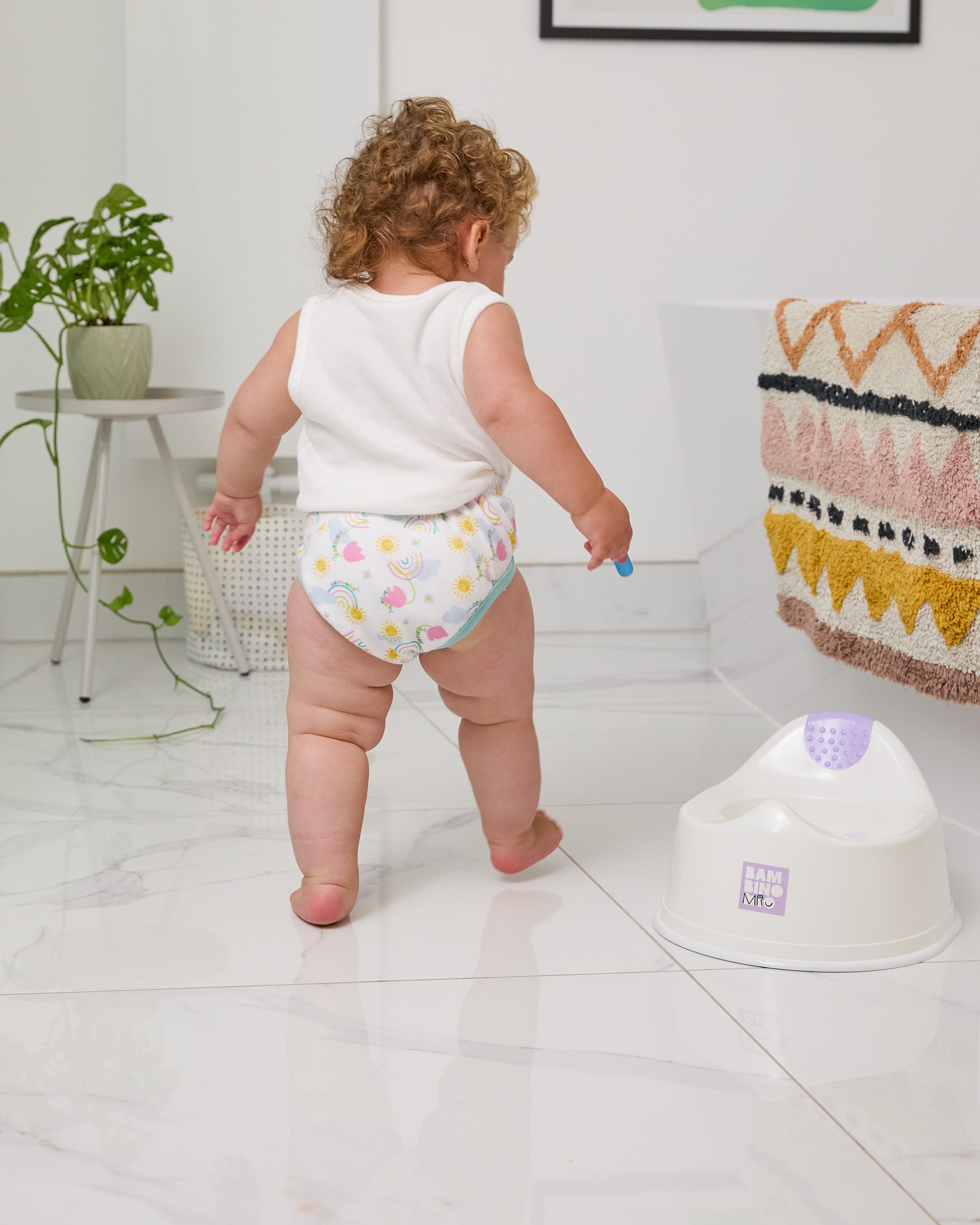
Getting the nappy fit right matters more than people realise. Too tight and you're trapping heat and causing friction. Too loose and you're dealing with leaks that leave skin sitting in moisture for longer. Both are a setup for irritation, and both are easy to fix.
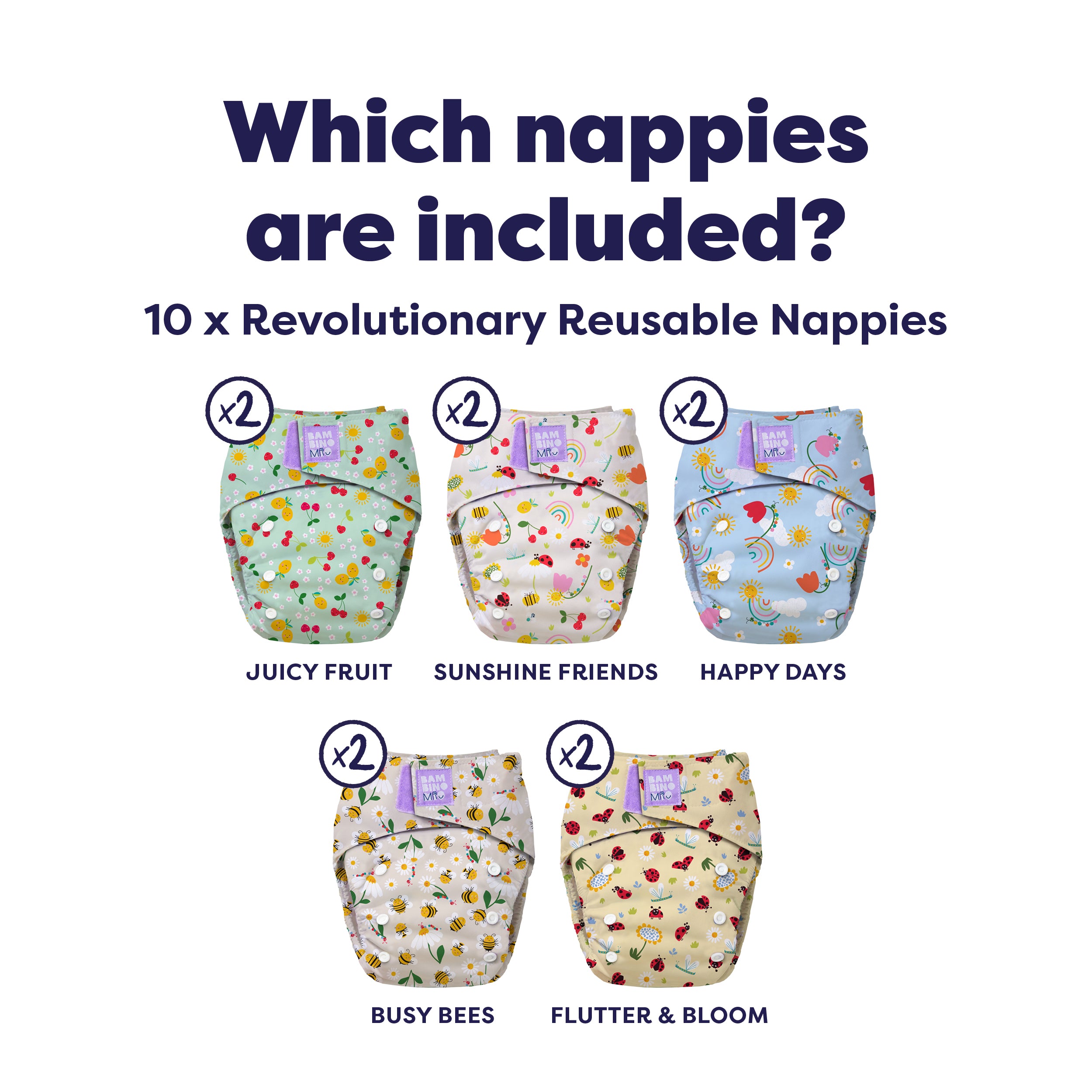
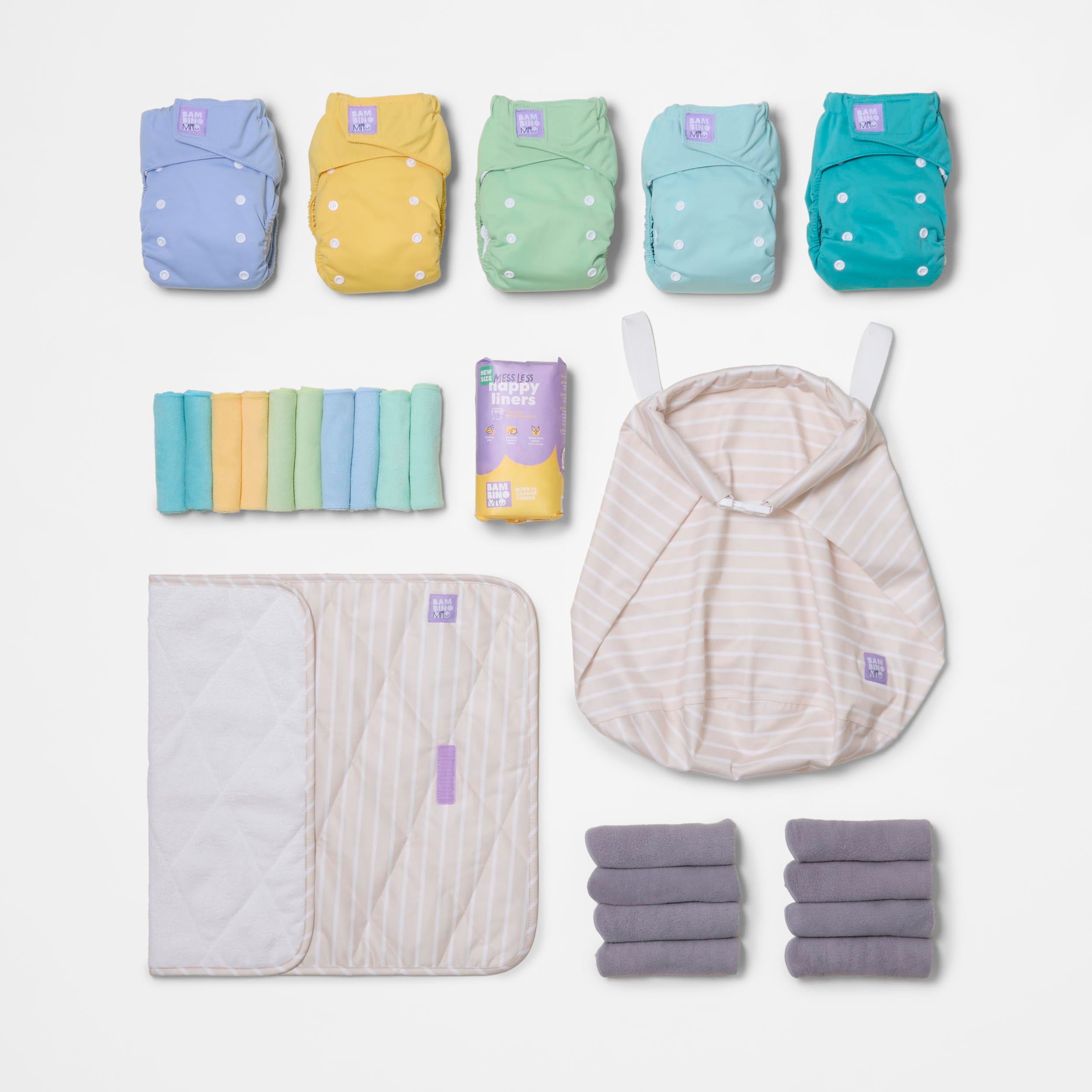
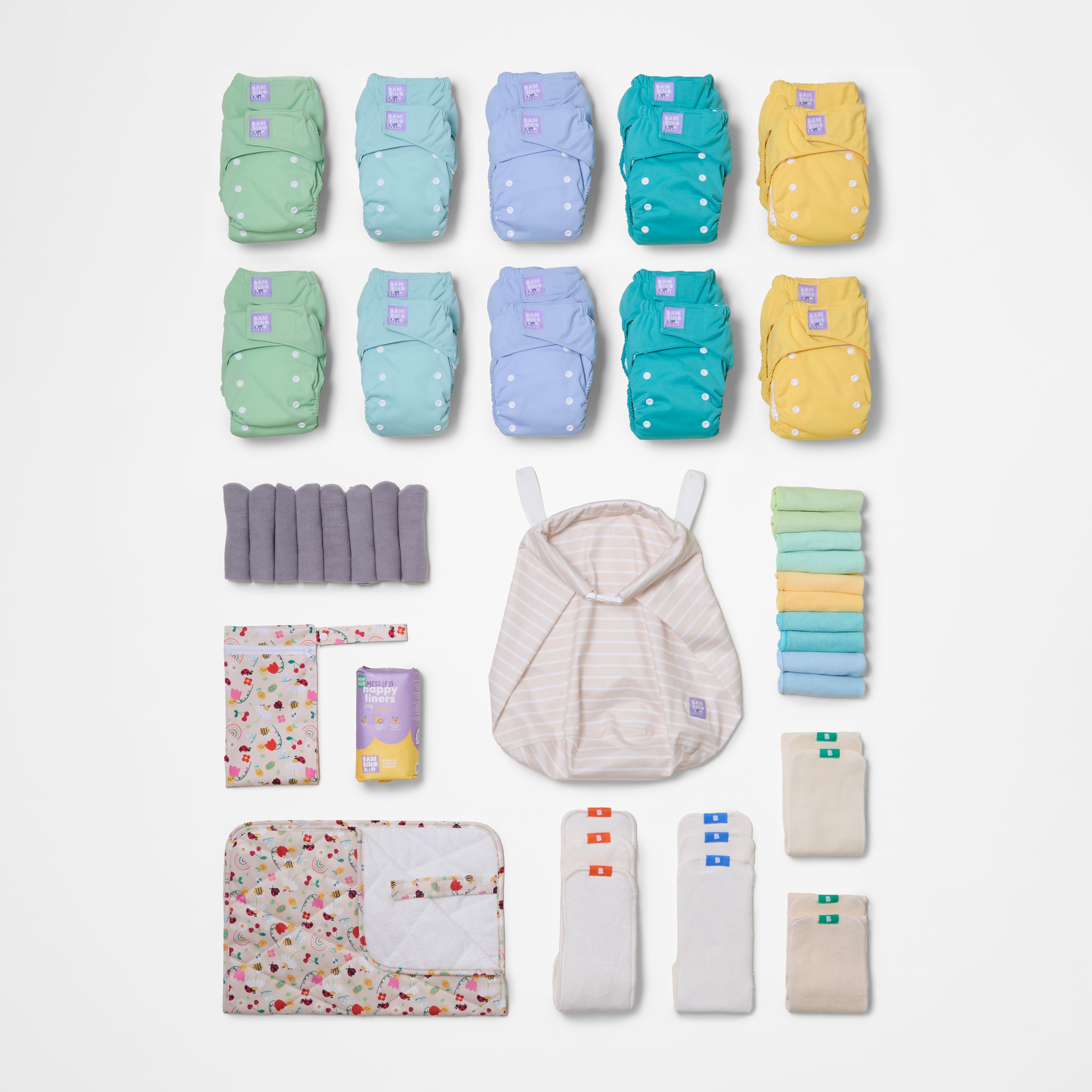
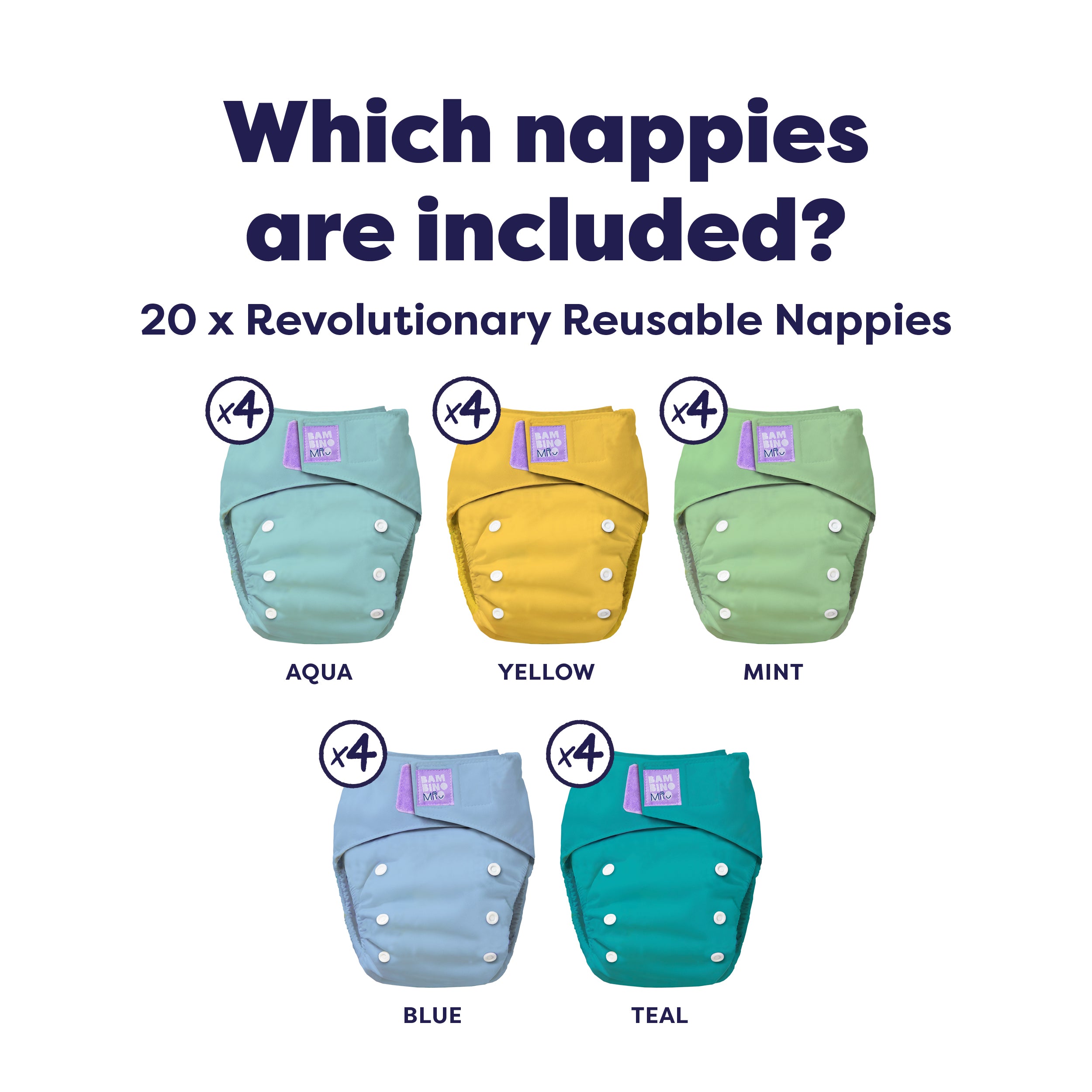
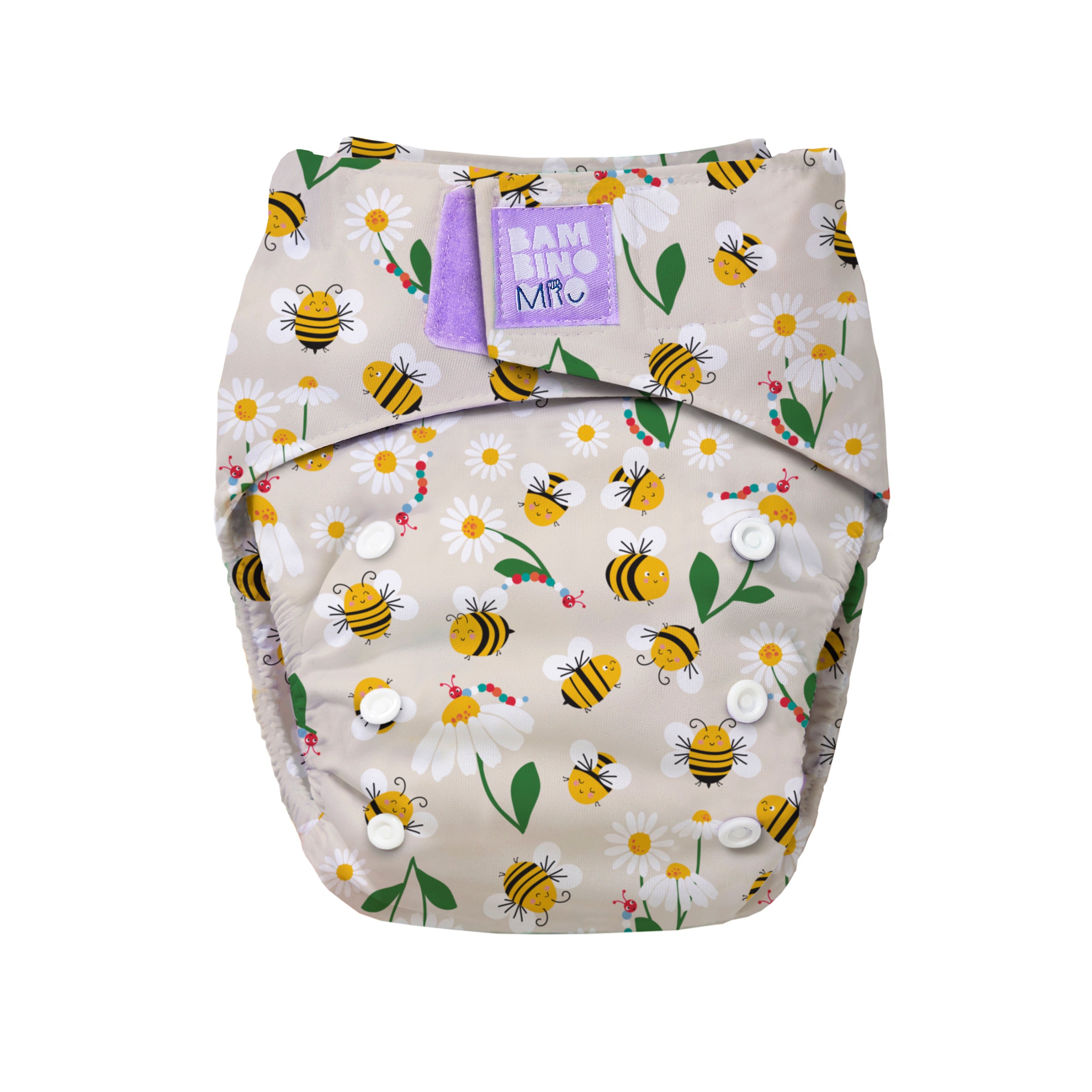
The type of nappy matters too - breathable, well-fitting nappies are better for skin than poorly fitting ones. Bambino Mio's Revolutionary reusable nappy has a breathable outer cover and a secure fit that works from birth to potty training. It's the kind of nappy that's easy to grab from the changing bag in a hurry, and with its range of prints and patterns, it's also rather nice to look at while you're at it.
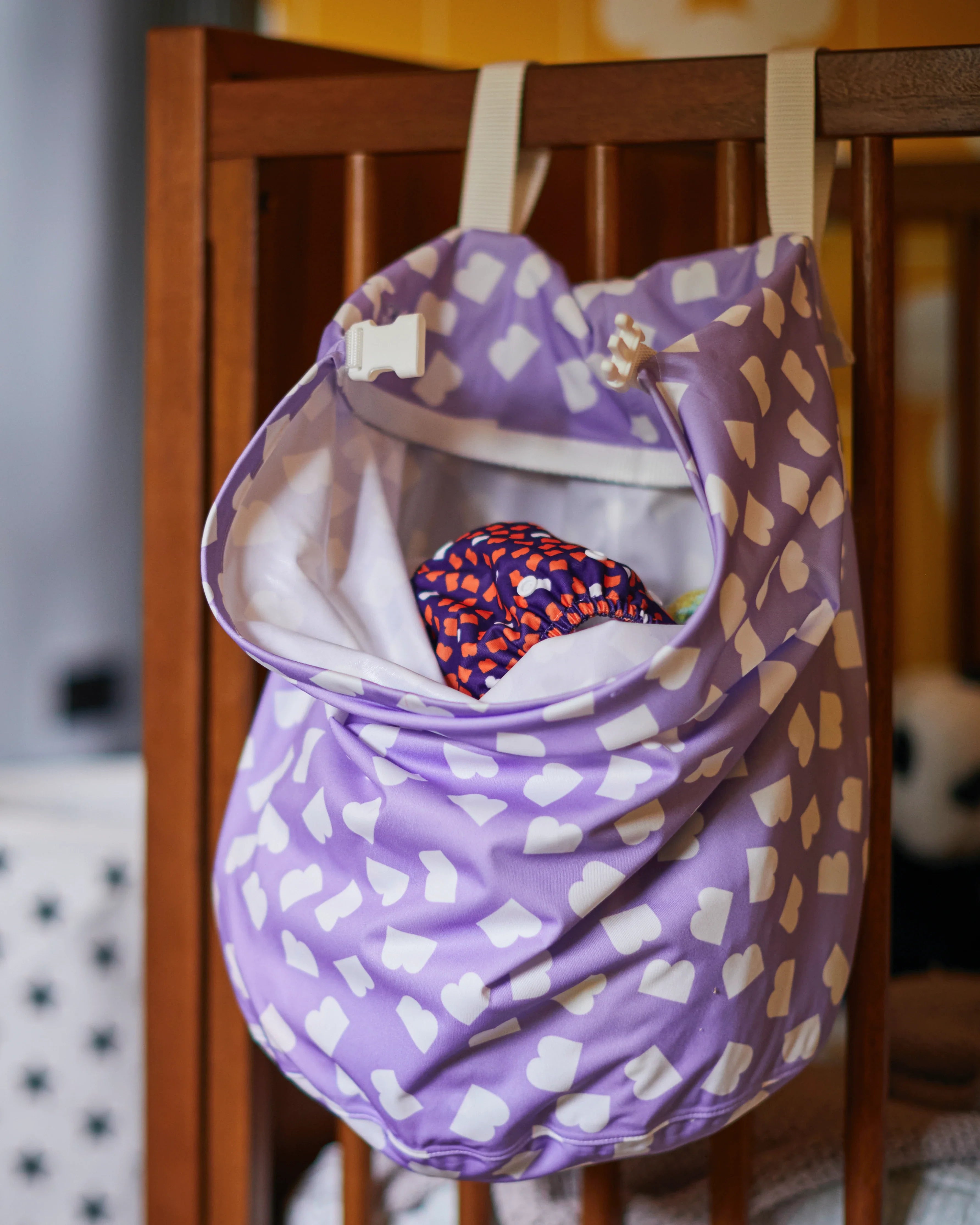
Washing reusable nappies properly also plays a part. A thorough rinse cycle, the right amount of detergent and a wash at 40°C during nappy rash flare-ups helps remove residue and bacteria from the fabric. Ensure to use gentle laundry sheets or detergent to keep both your nappies and your little one’s bottom soft.

Newborn Nappy Rash: What to Know
Newborn skin is particularly delicate and newborn nappy rash can show up early, sometimes in the first couple of weeks. Frequent feeding means frequent changes, which is a good thing from a skin health perspective, but it also means more opportunities for irritation if things aren't fully dry between changes.
Newborns also tend to have runnier poo, which spreads further and is harder to contain. Getting into the habit of a gentle but thorough clean, followed by a protective barrier cream at every change, sets you up well from the start.
Nappy rash is very common, so there’s no need to panic if you notice the signs. Most babies experience it at some point regardless of how on-top-of-things their parents are, so it really doesn't reflect on anyone. It flares up, you deal with it, it goes away. Knowing what to look for, what to use and when to ask for help is all you need.
The NHS has a helpful overview of nappy rash if you'd like a quick reference to bookmark alongside this one. If you need any advice on how to introduce reusable nappies into your life, feel free to send us any questions you may have.