

Toddler Potty Training Regression: 8 Parent-Approved Tips

Toddler potty training regression can feel so disheartening, especially after weeks of dry pants and proud little announcements from the bathroom. It can seem as though you’re suddenly back at the beginning, but you’re not. Potty training regression is very common, and this little wobble will usually pass with time.
Here are eight gentle ways to help your child feel confident again, while making things a little easier for you too.
Contents
- Rule Out Anything Physical First
- Skip the Telling Off
- Get Curious About What's Changed
- Go Back to Basics for a Few Days
- Charts for Progress, Not Perfection
- Keep the Same Words and Routine
- Have Nappies Ready as a Backup, No Judgement
- Give It Time Before Trying Again
1. Rule Out Anything Physical First
Before assuming this period of toddler potty training regression is purely behavioural, it's worth checking there isn't something physical going on. ERIC, the children's bowel and bladder charity, notes that constipation is extremely common around potty training and easy to miss in younger children, and it needs treatment before training can move forward again. A GP visit rules out constipation or a urinary tract infection early on, rather than weeks into a frustrating standoff over the potty.
2. Skip the Telling Off
However tired you are of mopping up puddles, a telling off tends to make toddler potty training regression worse rather than better. Accidents at this stage usually come from stress or a genuine loss of control rather than defiance, so a reaction that feels like disappointment can add shame on top of whatever's already unsettling them, which makes a toddler more likely to hide accidents or avoid the potty altogether rather than get back on track. A calm "never mind, let's get you changed" does far more good than a big reaction, even at the third accident before lunch.
3. Get Curious About What's Changed
Regression rarely happens for no reason. A new sibling, starting nursery, moving house or even something as small as swapping bedrooms can be enough to knock a toddler off course. Have a think about what's shifted recently in the run up to nursery drop offs or bedtime, since the answer isn't always obvious and sometimes it's something as ordinary as a new childminder or a change to the school run.
4. Go Back to Basics for a Few Days
Treat this like a soft reset rather than starting from scratch. Bring back regular reminders to sit on the potty after meals and before car journeys, the same prompts that worked when you first started, rather than waiting for your toddler to ask. It also helps to shrink the gap between opportunities, offering the potty every hour or so instead of leaving it to chance, and to build it back into the same spots in the day so it becomes automatic again rather than something either of you has to remember to think about.
Keep the whole thing low pressure rather than treating each trip as a test. Most toddlers pick their rhythm back up within a couple of weeks once the routine feels familiar again.
5. Charts for Progress, Not Perfection
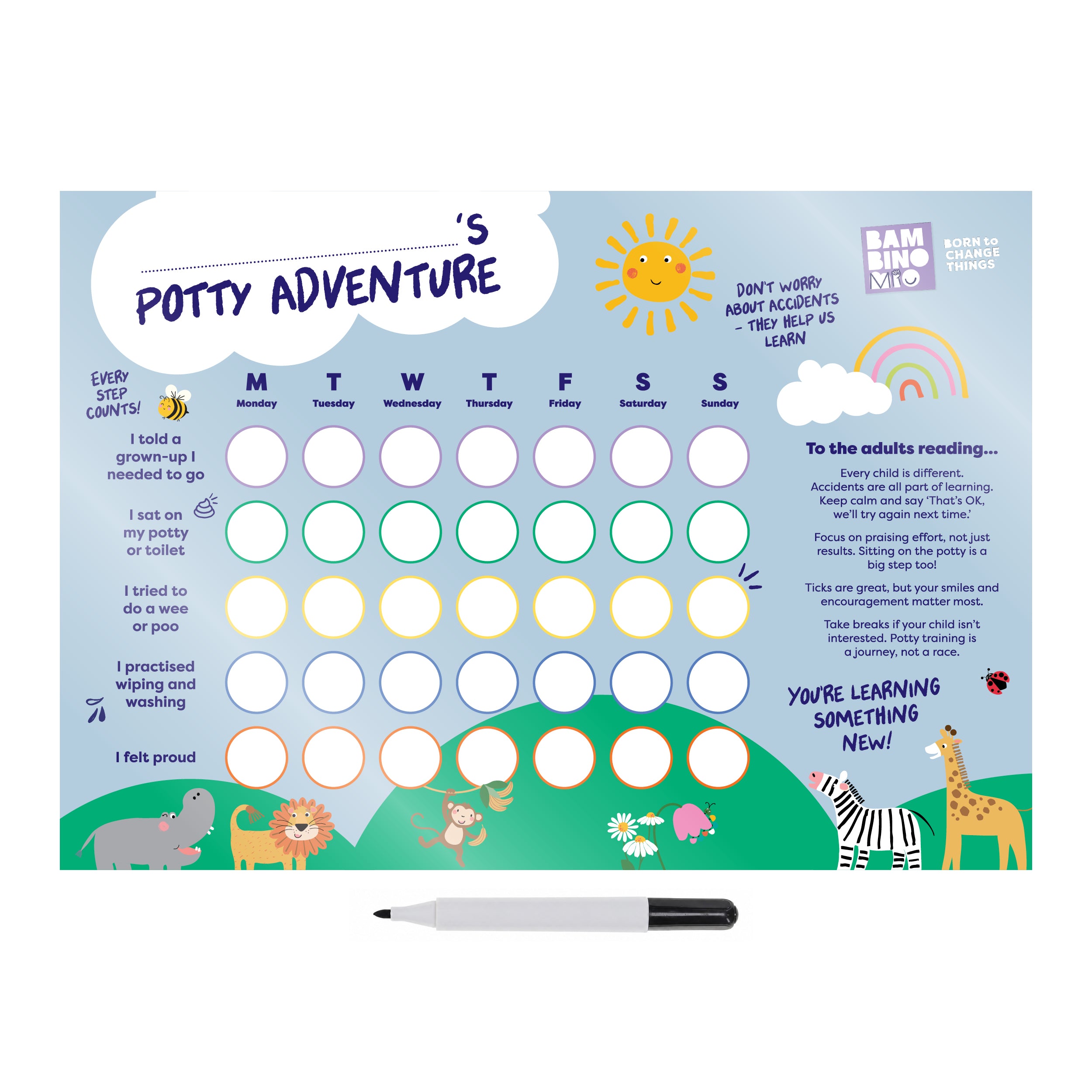
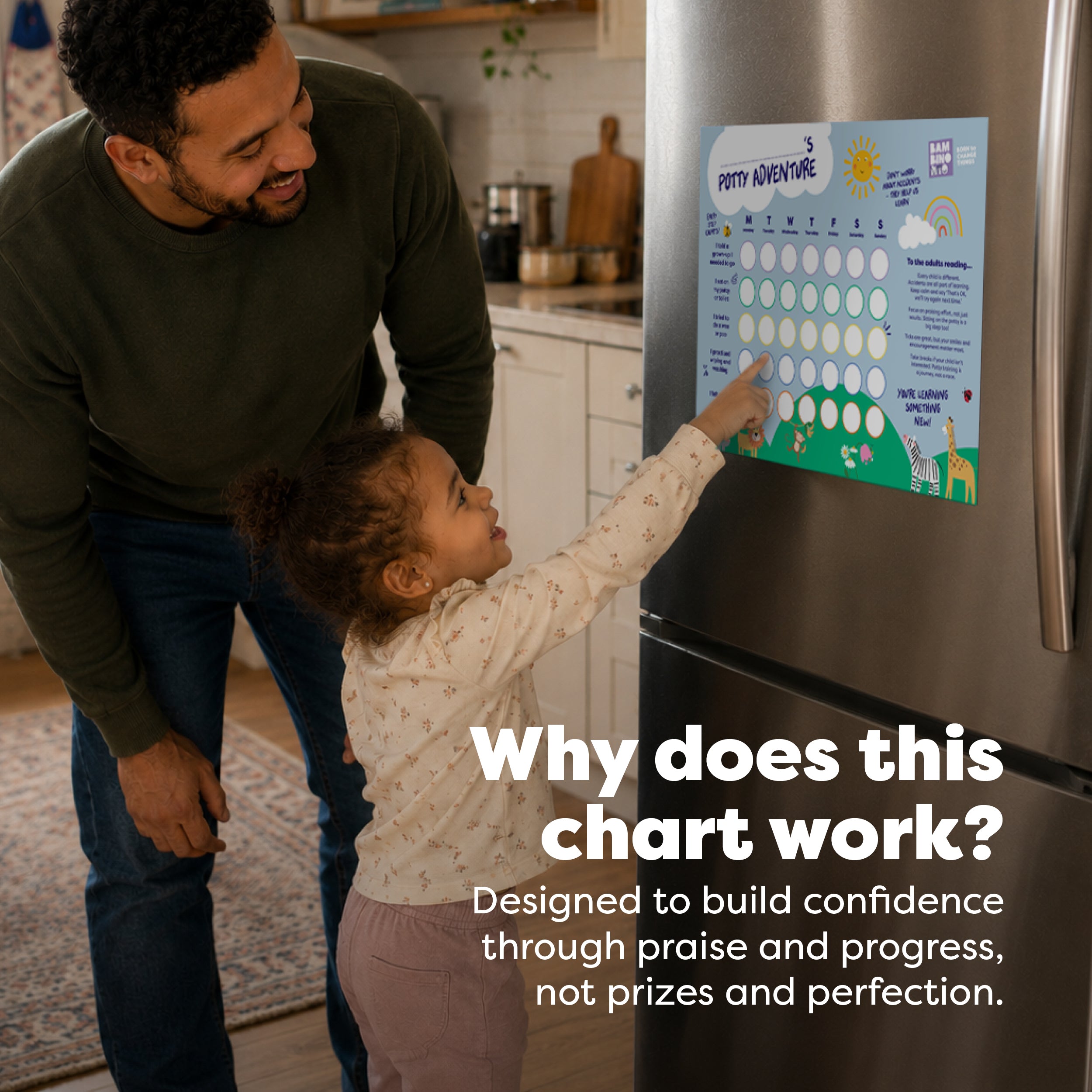
A sticker chart can give your little one a lovely confidence boost even during a potty training regression, as long as it celebrates trying rather than only staying dry. Add a sticker whenever they sit on the potty or let you know they need to go, even if they don’t quite make it in time. This keeps the experience positive and gives them plenty of chances to feel proud throughout the day.
Those small moments still count because they show your child is beginning to recognise what their body is telling them. Seeing the stickers build up can reassure them that they’re learning, even when accidents still happen. Keep your praise warm and relaxed, with the focus on having another go rather than getting everything right.
6. Keep the Same Words and Routine
Consistency helps enormously here. If nursery uses different phrases for the potty than you do at home, or grandparents have their own way of doing things, it's worth a quick chat to get everyone using the same words and steps. A toddler who's already a bit wobbly doesn't need three different versions of the same routine to keep track of.
7. Have Nappies Ready as a Backup, No Judgement
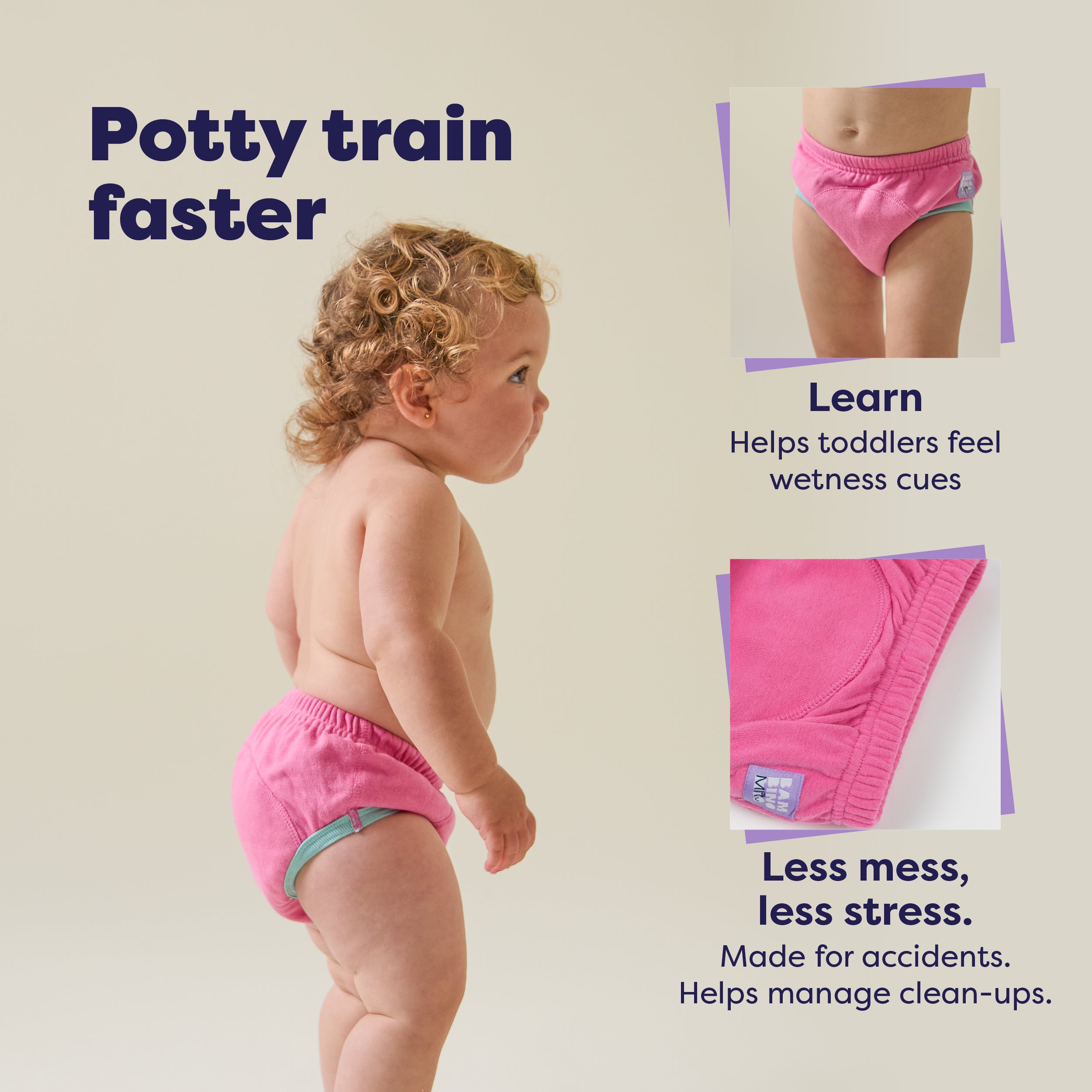
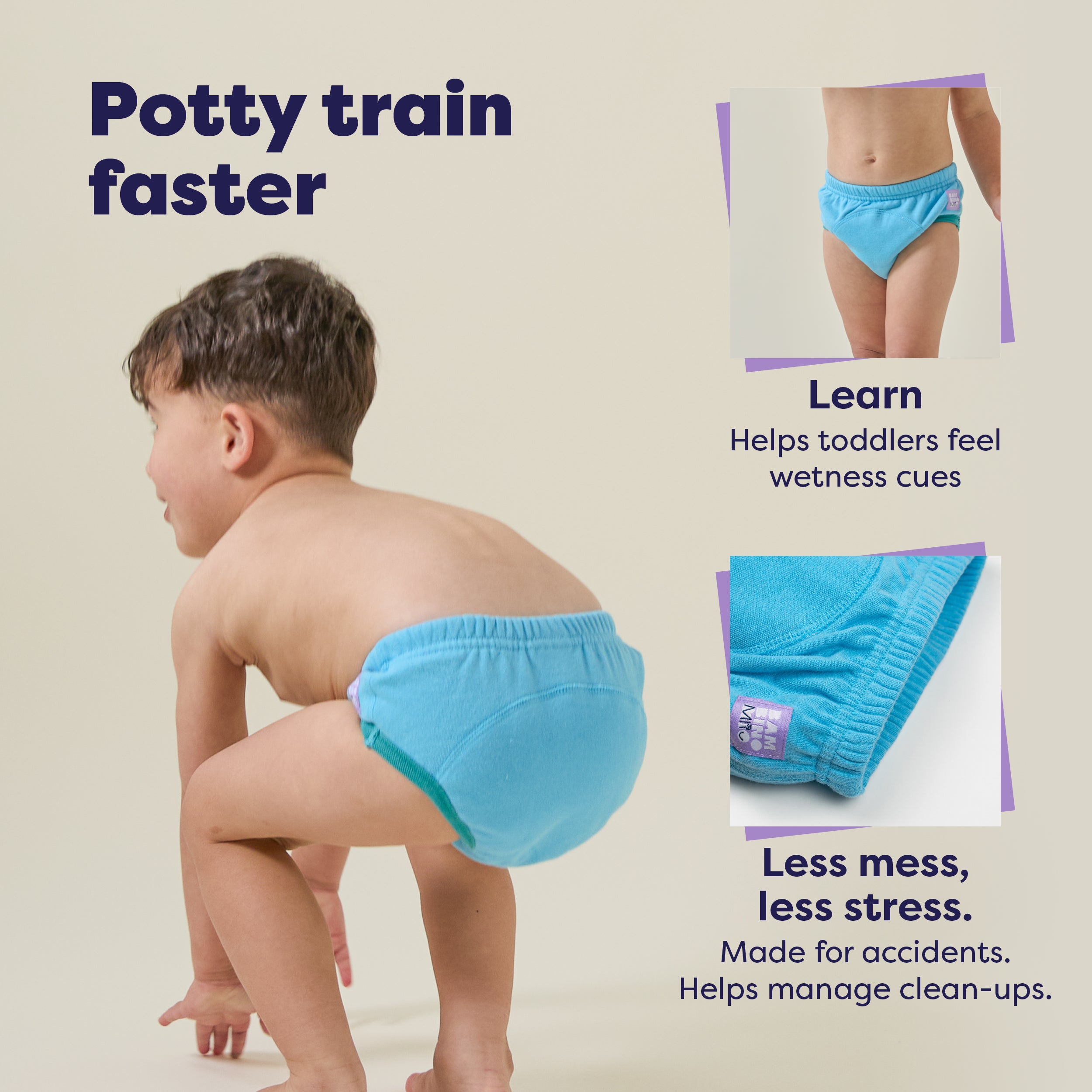
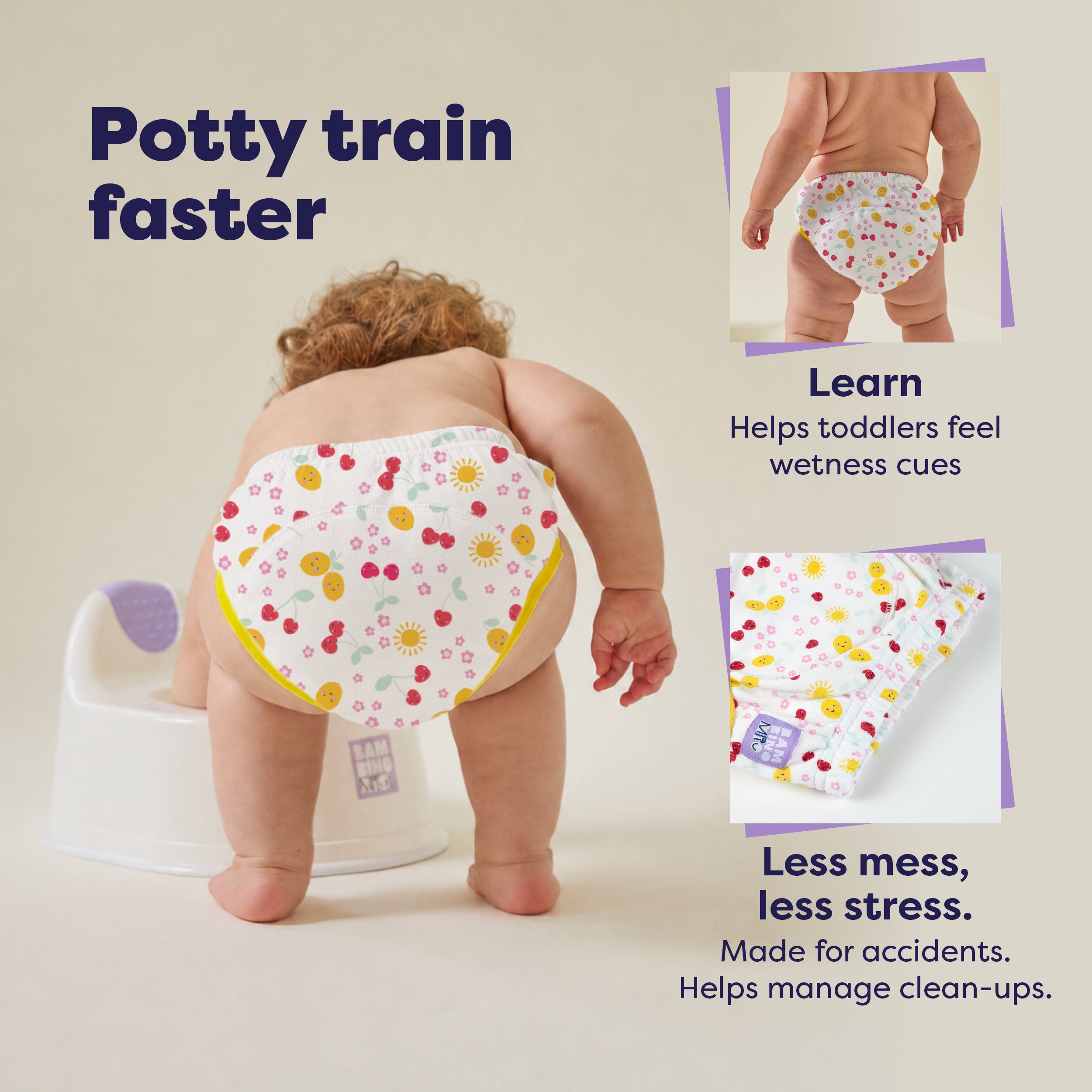
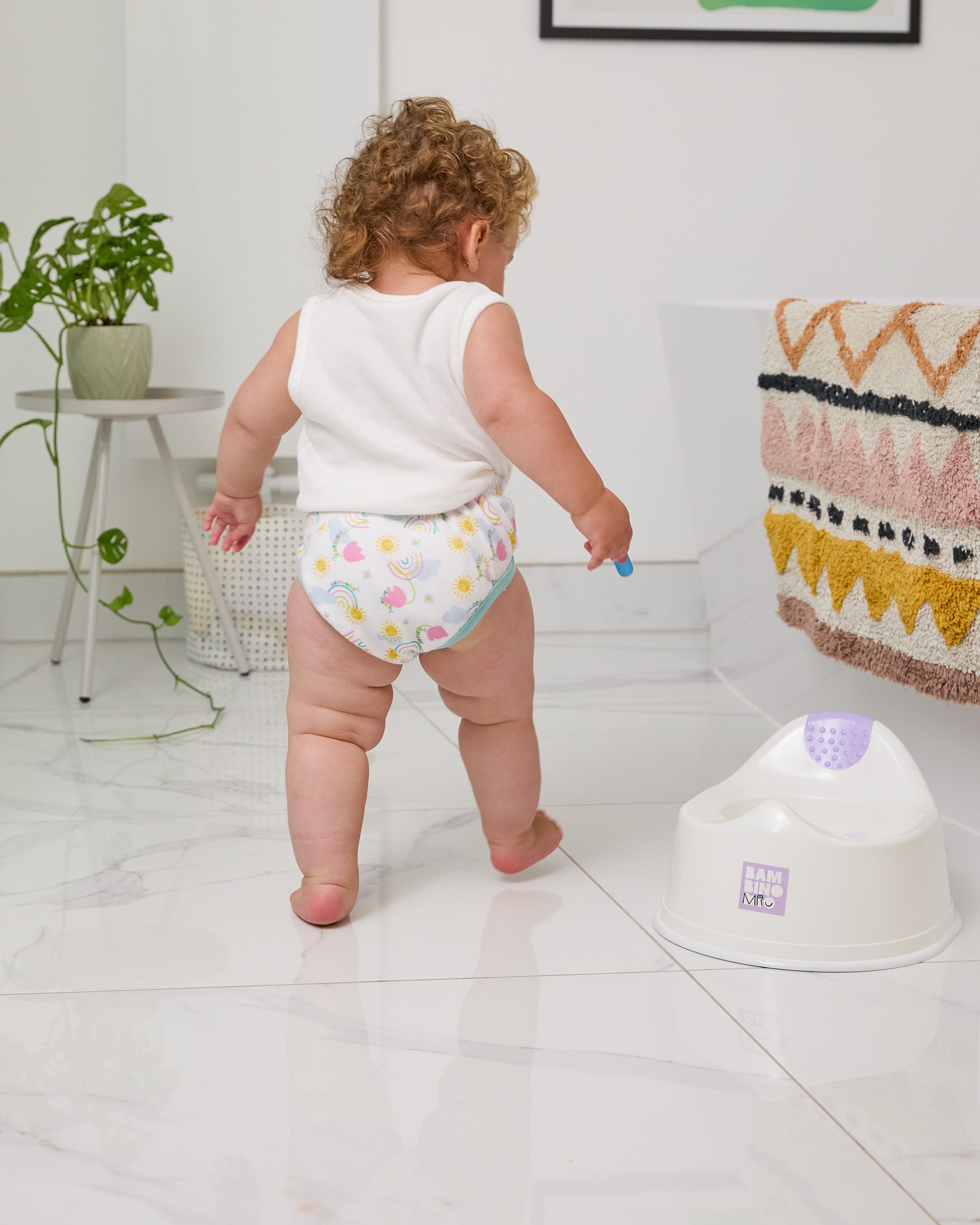
There's no shame in reaching for a nappy again for a few days, particularly overnight or during a big change like a house move or a new sibling settling in. Our reusable nappies work just as well as a short term backup as they did the first time round, so there's no need to buy anything new just because things have paused for a bit. Once your toddler feels steadier, training pants are an easy way back in, giving just enough feedback to help them reconnect with the sensation without the pressure of going straight back to just underwear.
8. Give It Time Before Trying Again
If a couple of weeks of gentle consistency hasn't shifted things, it's worth asking whether your toddler was fully ready in the first place, or whether this particular step, moving from potty to toilet for instance, simply needs a bit longer than the rest of potty training. There's no harm in putting the potty away for a month and trying again once a few more signs of readiness are showing up. Toddler potty training regression almost always resolves itself, and a short pause now usually means a smoother run the second time round.
Whatever stage you're at, our full potty training range has everything to hand for when you're ready to pick things back up.