
Is My Child Ready for Potty Training?
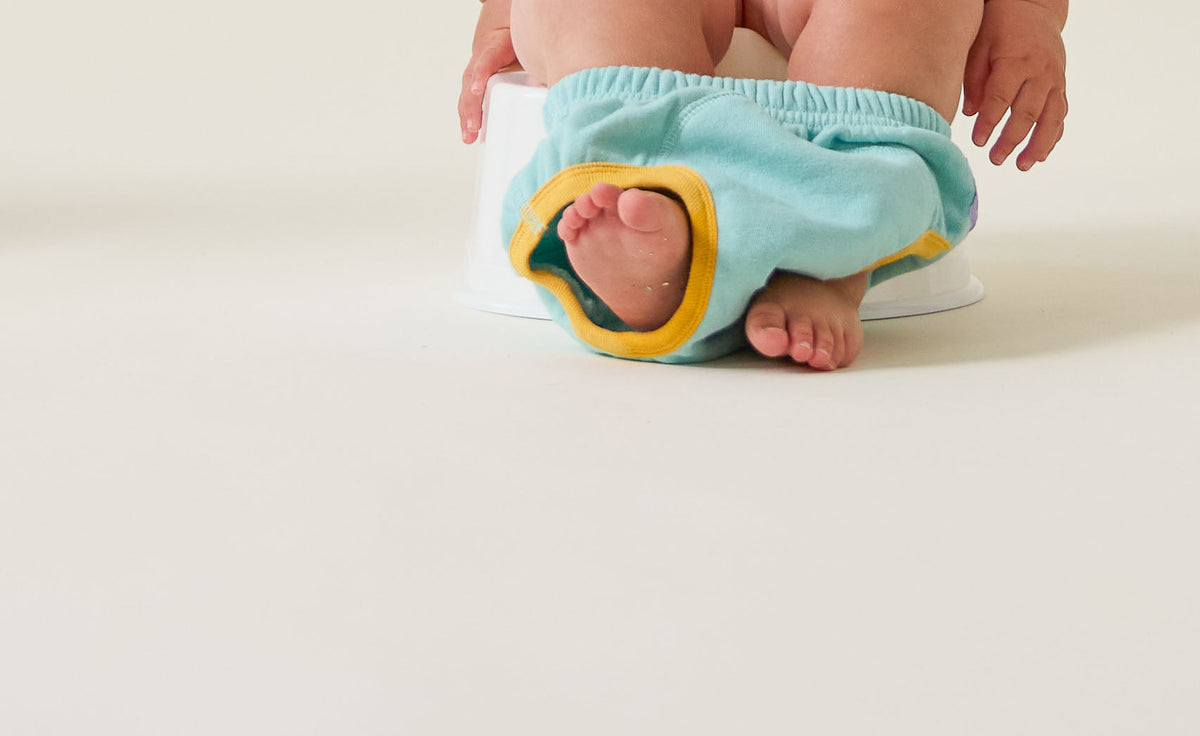
If you’re wondering whether your child is ready for potty training, try not to feel as though every sign needs to be perfectly in place. Many families begin gently from around 18 months, giving their little one time to become familiar with the potty while the rest follows naturally.
If you’d feel more comfortable taking your toddler’s lead, there are some lovely little clues that can help. Here’s what to look out for when deciding whether the time feels right for you both.
Contents
- What Readiness Can Look Like
- Physical Signs of Readiness
- Signs Around Communication and Understanding
- Signs Around Independence and Interest
- You Don't Need to Wait for All of Them
- Does Age Matter at All?
What Potty Training Readiness Can Look Like
Readiness has a habit of showing up in odd little moments rather than all at once, a wriggle here, a word there, so here's a quick snapshot of what parents tend to notice, before we dig into each one properly.
| Area | Signs to look for |
|---|---|
| Physical | Dry nappy for an hour or two at a stretch, a fairly predictable rhythm to poos, steady enough to climb onto a potty and back off again, waking up dry after a nap |
| Communication | A word or sound for needing a wee, tugging at a wet nappy, following a simple instruction, using little words like wee or poo |
| Independence and interest | Wanting to pull their own trousers down, trailing you into the bathroom out of curiosity, getting fed up with a wet nappy, wanting to do more things solo |
Don't worry if your toddler is only ticking a couple of these off, that's the norm rather than the exception.
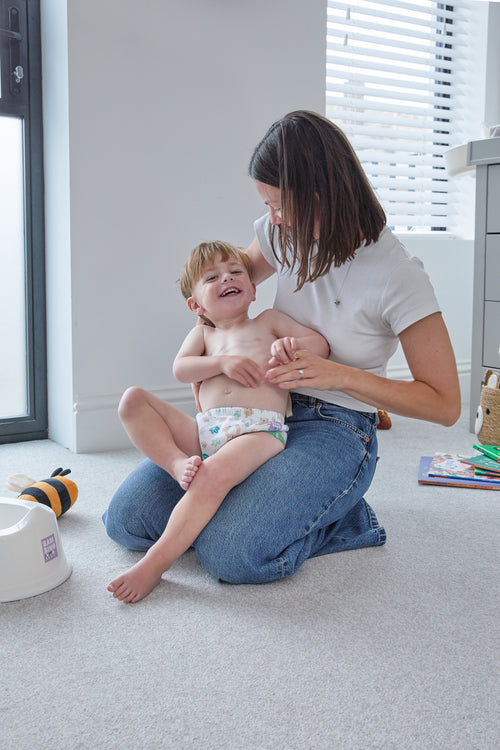
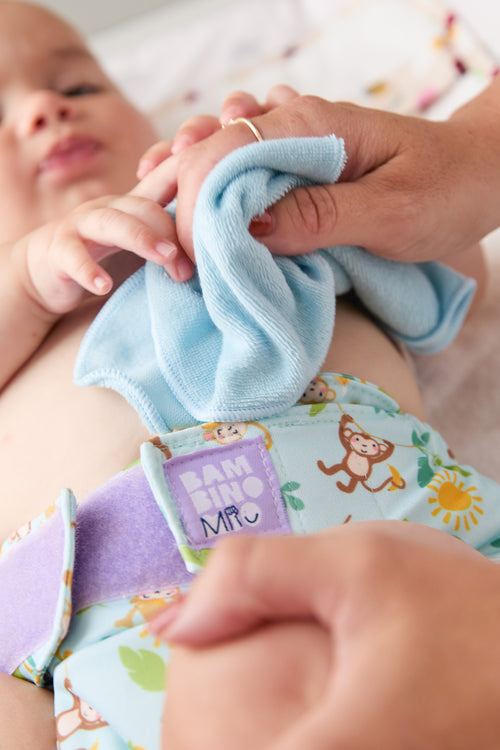
Is My Child Ready for Potty Training? Physical Signs of Readiness
This is usually the first piece of the puzzle to click into place, since a toddler's bladder needs to be capable of holding on before any of the rest matters much. NCT guidance points to a dry nappy for an hour or two at a stretch as one of the clearest early signs, since it means your toddler's bladder is starting to hold rather than empty the moment it fills. Keep an eye out for:
- A dry nappy surviving an hour or two between changes
- Poos arriving at roughly the same time each day, rather than completely out of the blue
- Being steady enough on their feet to climb onto a potty and back off again unaided
- Waking up dry after a nap rather than needing an immediate change
None of this needs to be spot on every single time, just a pattern you're starting to notice more often than not, whether that's at home or during a nap at nursery.
Signs Around Communication and Understanding
Your toddler doesn't need full sentences for this bit, just some way of letting you know what's going on. Watch for:
- A particular word or sound they always use when they need a wee
- Tugging at or pointing to their nappy the moment it's wet
- Following a short instruction, like sitting still for a moment when you ask
Trying out little words like wee or poo, even if only now and then
Any single one of these turning up is a good sign, and they tend to snowball quickly once your toddler gets the hang of one.

Signs Around Independence and Interest
This is often the bit parents spot first, since it tends to show up in the middle of ordinary life rather than needing you to go looking for it. Look out for:
- Wanting to pull their own trousers up or down without help
- Following a parent or older sibling into the bathroom, purely out of nosiness
- Getting genuinely fed up with a wet nappy rather than not noticing at all
- Wanting to do more things solo generally, from dressing to feeding themselves
These signs are usually the easiest to spot on an ordinary Tuesday, whether that's at home, at grandma's or halfway through the school run.
You Don't Need to Wait for All of Them
Very few toddlers show every sign at once, so please don’t worry if your little one isn’t ticking every box. You might prefer to wait until they seem more confident, or you may choose to introduce the potty gently from around 18 months and let them become familiar with it in their own time.
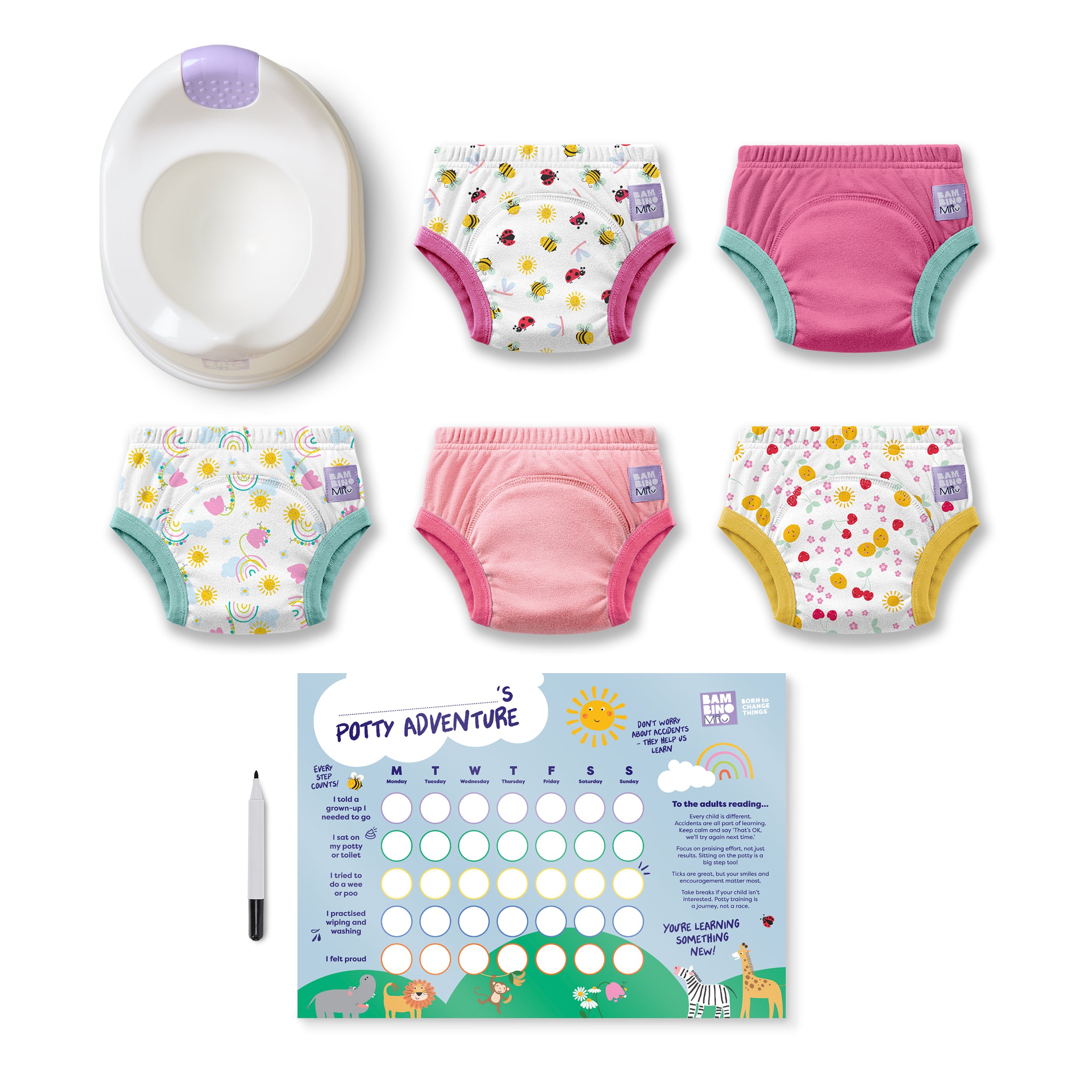
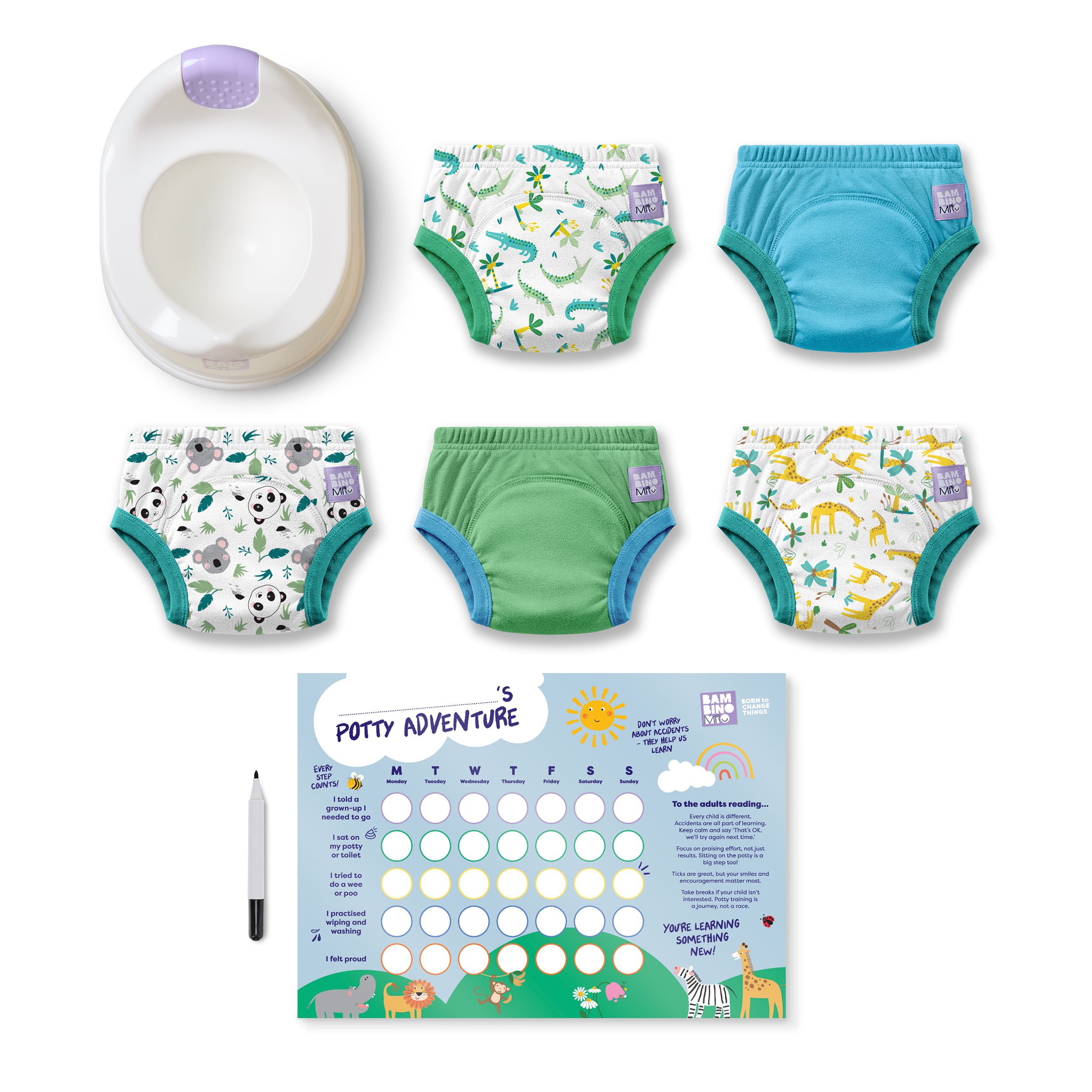
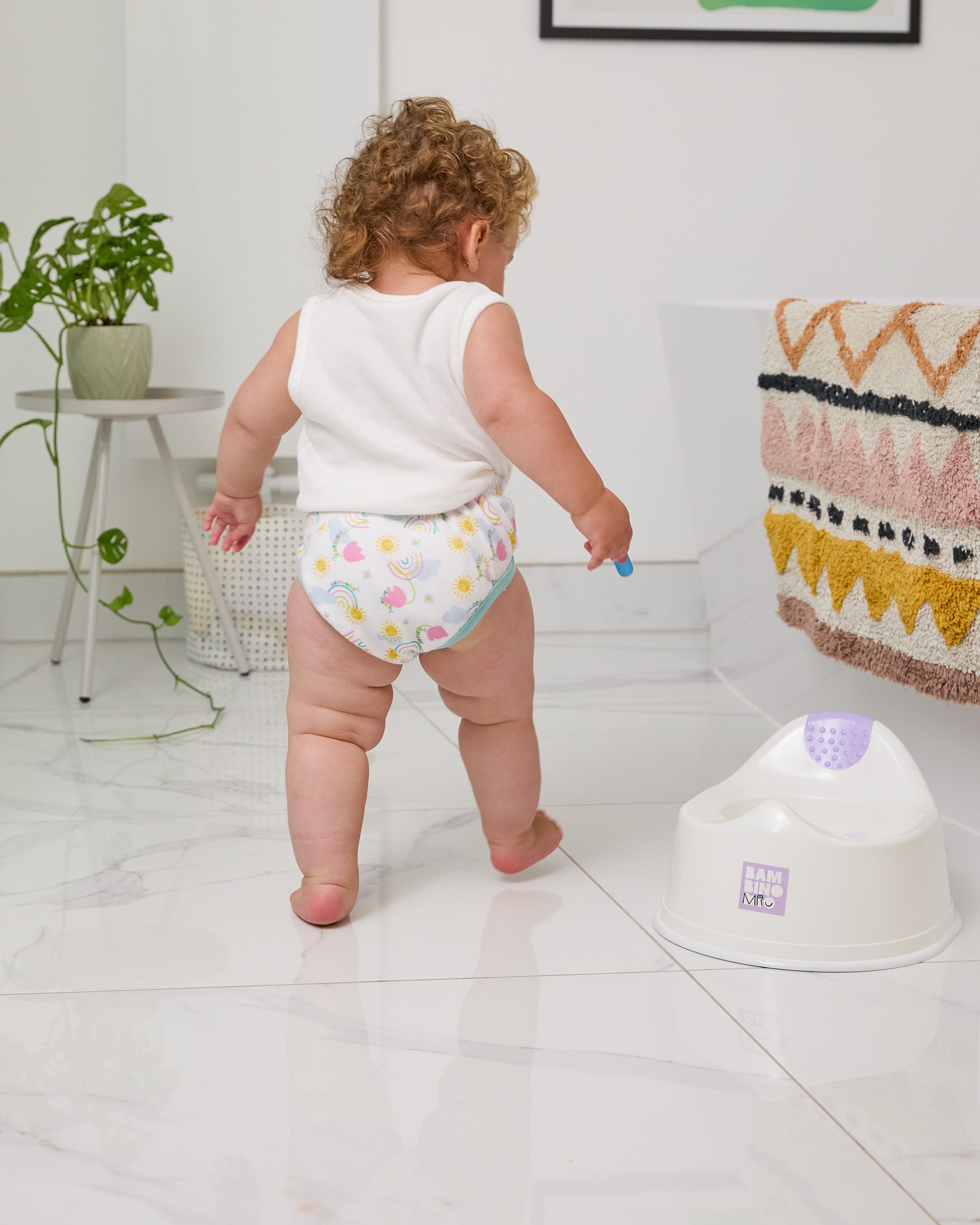
There’s no single right way to begin. What matters is finding an approach that feels comfortable for your child and manageable for your family. Our portable potty can support either approach, whether you’re starting slowly or waiting until your toddler seems ready to take the next step.

Does Age Matter at All?
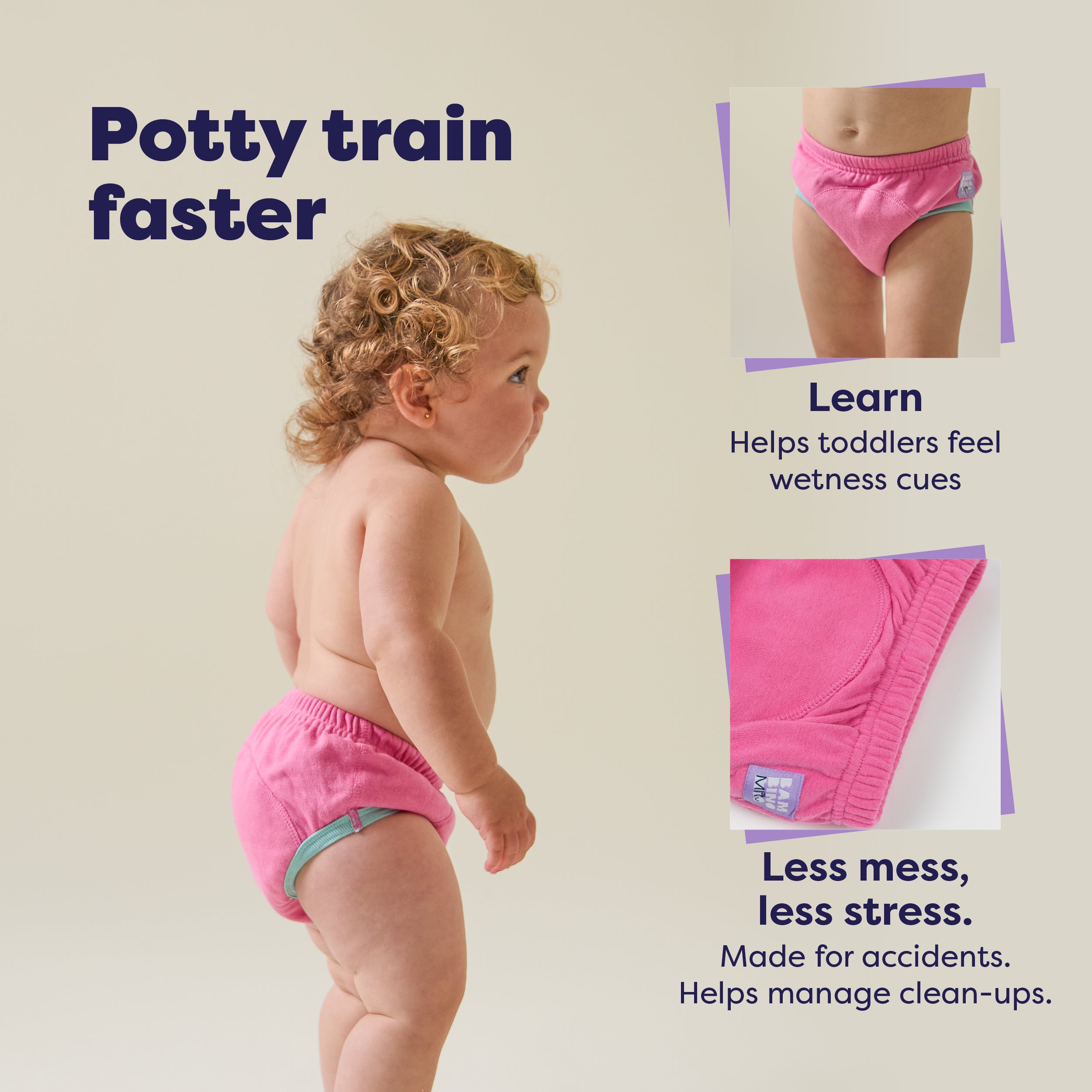
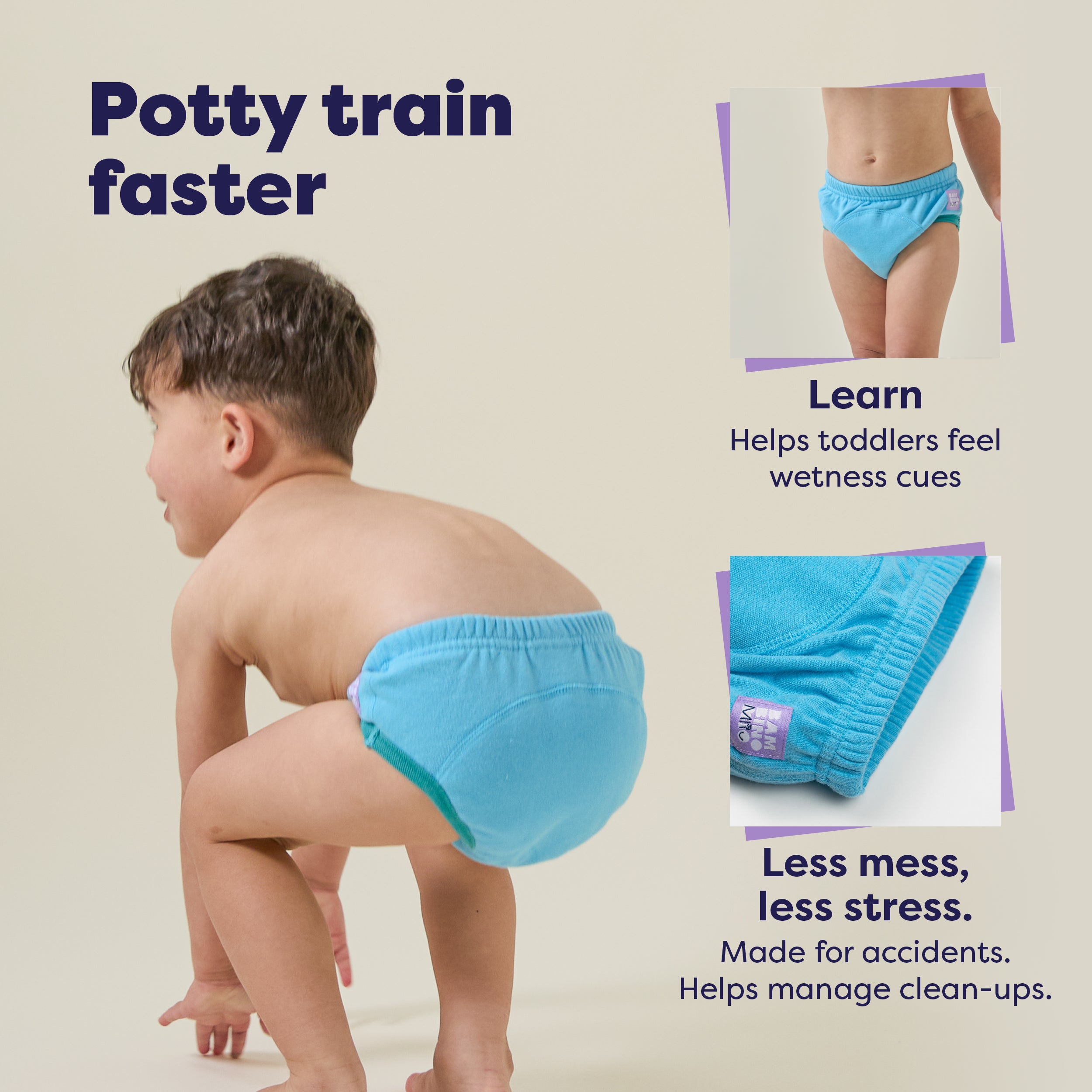
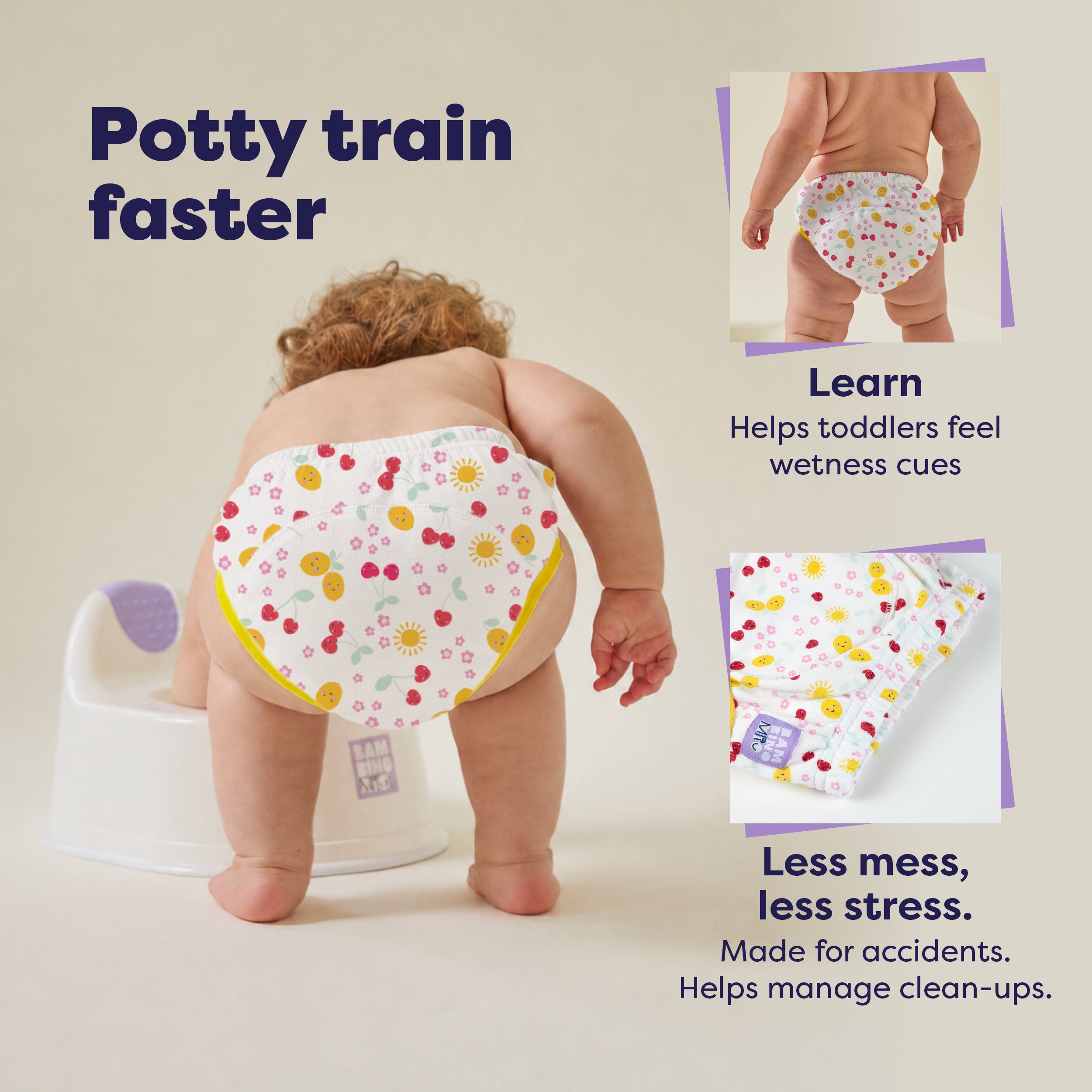
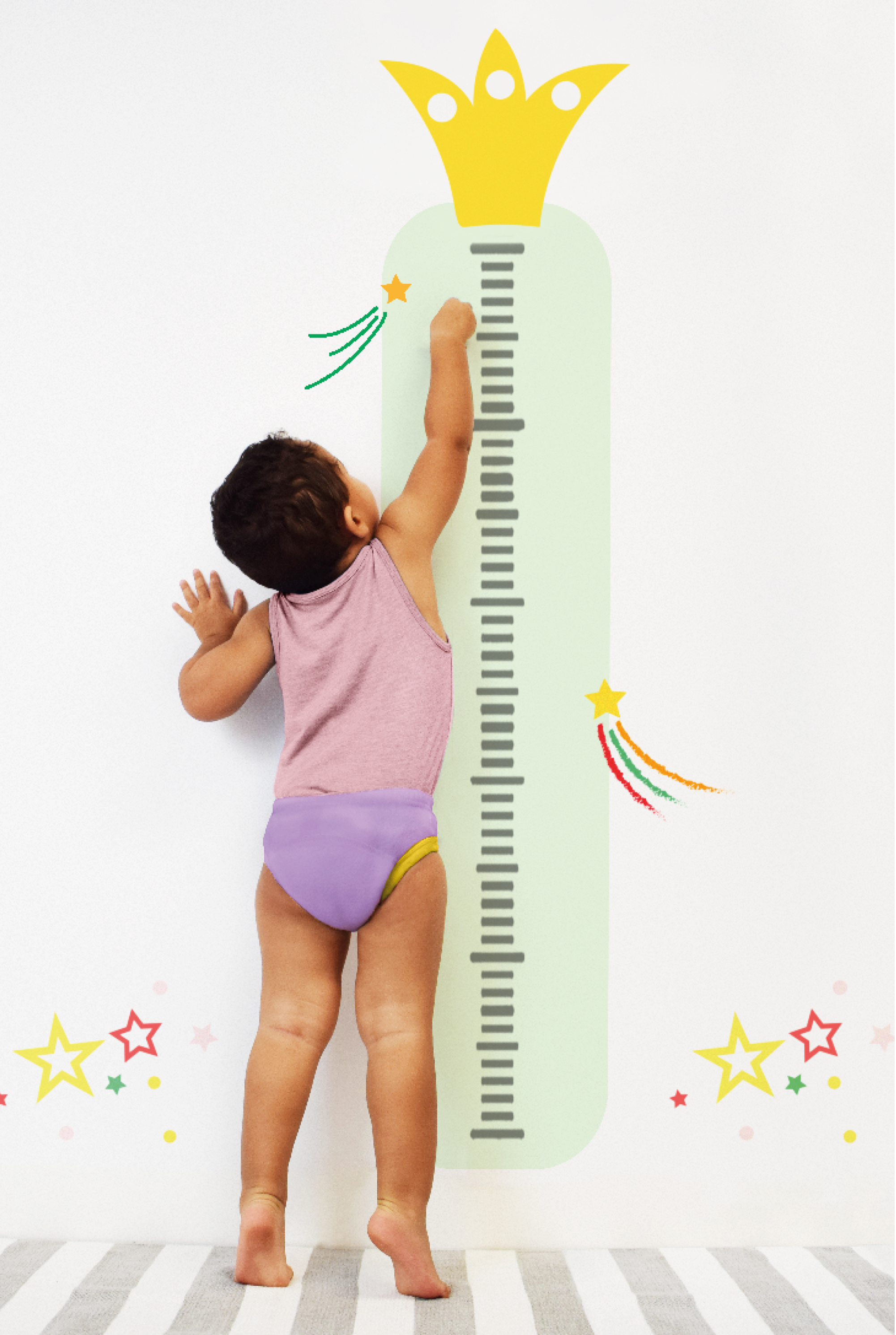
Less than most parents assume. Some toddlers show every sign by 20 months, others take until well past three, and both are perfectly normal. Whenever you're ready to begin, whichever route got you there, our training pants are a lovely easy next step, giving your toddler just enough feedback to connect the feeling of being wet with what happens next.
Whenever the time feels right for you and your little one, our potty training range is here to help make those first steps feel a little easier.